
Real Results, Real Voices: Foundries Share Why TPP Delivers Webinar Recap
Lessons Learned and Best Practices from
Foundries Investing in Their Workforce
Hiring and retaining employees remains one of the most significant operational challenges facing foundries today. While many companies continue searching for better recruiting strategies, several NFFS member foundries participating in the Talent Pipeline Program (TPP) are discovering that sustainable workforce improvement requires more than filling open positions.
During the recent NFFS webinar, Real Results, Real Voices: Foundries Share Why TPP Delivers, participating foundries shared the practical steps they have taken to improve hiring, onboarding, leadership engagement, and employee retention.
The discussion reinforced an important lesson:
Workforce challenges are business challenges.
The most successful improvements are occurring when hiring, onboarding, and retention become shared responsibilities across leadership, operations, and frontline supervision, not solely HR functions.
Watch the webinar recording at https://youtu.be/QaR1WYH9u4A
Best Practice #1: Make Workforce a Company-Wide Responsibility
Several panelists noted that prior workforce efforts were often viewed as HR-led activities.
The Talent Pipeline Program challenged that mindset.
At TPi Arcade, leadership recognized that departments experiencing higher turnover often required stronger manager involvement and clearer ownership of the employee experience.
The result was a shift from transactional hiring toward a more coordinated process involving supervisors, managers, and leadership from interview through onboarding and beyond.
Lesson Learned: Retention improves when workforce responsibility is shared across the organization.
“It’s not HR’s responsibility, it’s everybody’s.”
Best Practice #2: Redesign the First-Day Experience
A common challenge discussed during the webinar involved orientation and onboarding.
Many foundries provide tours, safety information, and job instructions. However, panelists noted that new employees often still struggle to understand the foundry environment and how their role connects to the broader operation.
ECK Industries identified this challenge early. Leadership realized that many new employees entered the facility with limited understanding of foundry processes and quickly became overwhelmed.
The company redesigned orientation to include a plant-specific presentation and video that explains the casting process and introduces employees to the operation before they begin work on the floor.
The change produced immediate engagement benefits.
Employees entered the floor with greater context, confidence, and understanding.
As discussed during the webinar, the objective of a World-Class First Day is simple: Move employees from uncertainty to excitement.
“Their eyes are open… they’re excited and they understand.”
TPi Arcade implemented similar improvements by introducing structured onboarding, leadership interaction, and shared lunches designed to help new hires build early relationships and feel welcomed into the organization.
Lessons Learned
- Orientation should explain the entire foundry process, not just the job task
- Use facility-specific visuals and examples whenever possible
- Build opportunities for employees to connect with supervisors and coworkers early
“Holy cow… I can’t believe I have a chance to work here.”
Best Practice #3: Invest in Supervisor and Leadership Development
One of the strongest themes emerging from the webinar involved frontline leadership.
Several panelists acknowledged that supervisors are often promoted because of technical ability rather than people leadership skills.
That reality can create inconsistent employee experiences and contribute to turnover.
Danko Arlington described how early discussions with supervisors revealed the need for greater communication, clearer expectations, and leadership development. Initial conversations were candid and, at times, uncomfortable, but ultimately productive.
The company implemented 30/60/90-day employee milestones and began focusing more intentionally on manager engagement and accountability.
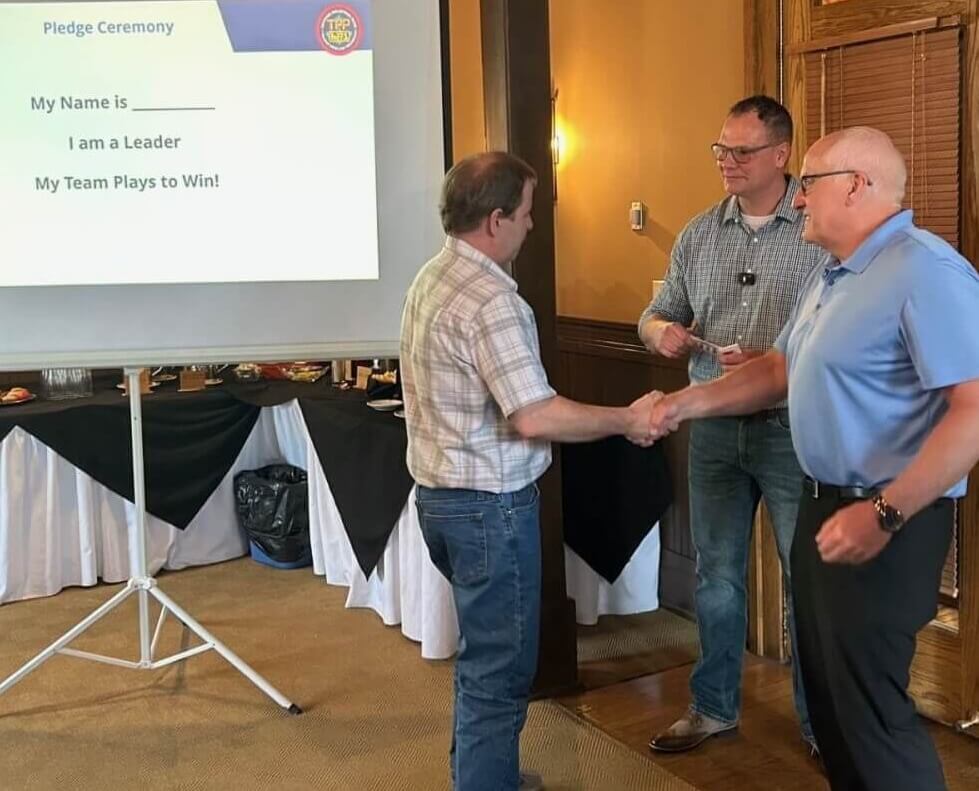 TPi Arcade took a similar approach through Leadership Retention Training and implementation of the Fifth Metric People Scorecard, helping supervisors better understand employee engagement and their role in workforce retention.
The results extended beyond morale. One production department improved efficiency from roughly 75 percent to more than 100 percent while simultaneously reducing turnover and strengthening teamwork.
Lessons Learned
- Supervisors directly influence retention and engagement
- Leadership training should be treated as an operational investment
- Accountability and coaching improve both workforce and production outcomes
"That conversation might not have been the best…
but it moved the needle.”
Best Practice #4: Hire for Fit, Not Simply Availability
The webinar also highlighted the importance of stronger pre-screening and behavioral hiring practices.
Using the Best Athlete Profile process, participating foundries worked to define the attitudes, work styles, and characteristics most associated with long-term success.
For A&B Foundry, the exercise challenged assumptions about hiring and created greater clarity around what successful employees actually look like inside their operation.
That work led directly into developing a hiring profile for a hybrid sales and operations role.
Through structured discussion and behavioral criteria development, the company created recruiting materials and interview questions aligned with operational needs.
The exercise reinforced an important point: Better hiring begins with clearer definition.
Lessons Learned
- Define behavioral expectations before recruiting begins
- Identify both technical requirements and cultural fit
- Use structured interviews and behavioral questions to improve consistency
Best Practice #5: Peer Learning Matters
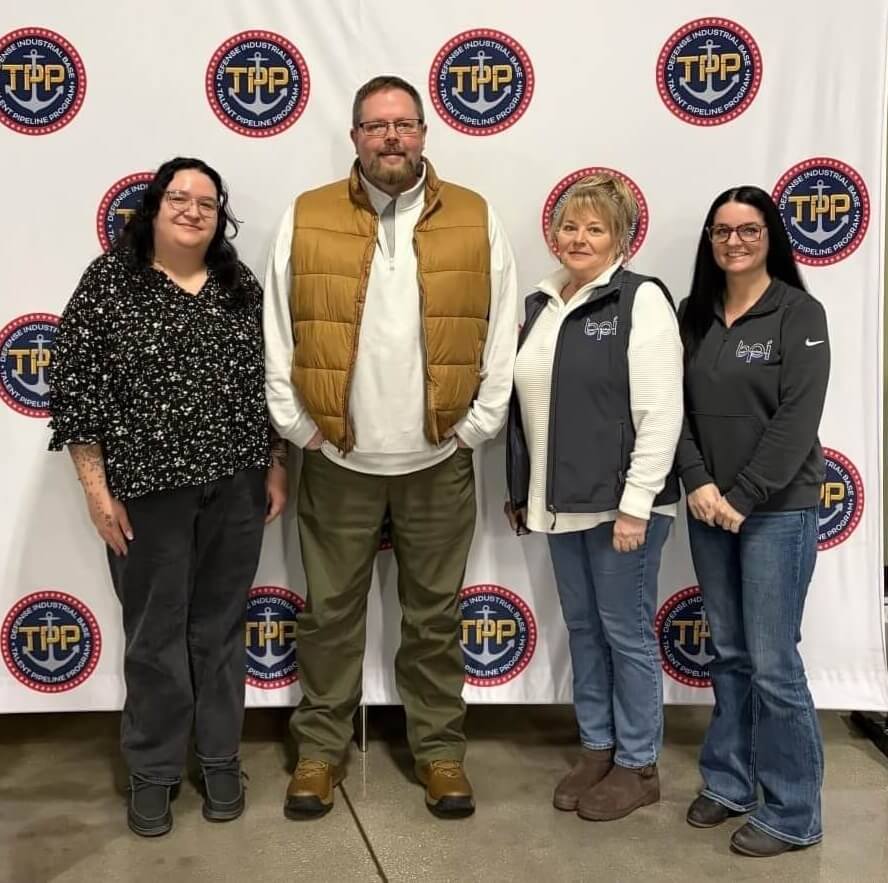 Beyond tools and systems, panelists emphasized the value of learning from other foundries.
Through cohort meetings and mid-year events, companies gain access to shared experiences, new ideas, and practical examples that can be adapted to their own operations.
Ford Meter Box described the Talent Pipeline Program as a catalyst that helped refresh existing workforce practices and strengthen employee engagement efforts.
That peer-to-peer learning remains one of the program’s strongest advantages.
Because the NFFS Talent Pipeline cohort is focused specifically on foundries, members benefit from conversations grounded in similar environments, challenges, and operational realities.
Best Practice #6: Practical Systems Produce Better Results
The webinar reinforced a simple but important takeaway: There is no single solution to workforce challenges.
However, foundries implementing structured systems for hiring, onboarding, leadership development, and employee engagement are seeing measurable improvements.
The Talent Pipeline Program does not replace leadership or culture.
It helps foundries strengthen both.
For members interested in learning more about the NFFS Talent Pipeline Program and the upcoming cohort, NFFS welcomes the conversation. Contact Bill Padnos at bill@nffs.org for more information.