
Industry-Driven Skills Training Fund: What Manufacturers Need to Know
Industry-Driven Skills Training Fund: What Manufacturers Need to Know
A state-by-state look at the first round of federal awards—and where manufacturers may find unusually strong opportunities to train new and incumbent workers.
The below information was prepared by Micki Vandeloo of Lakeview Consulting Inc. For more information about the training fund program opportunities, please contact Lakeview’s team at micki@lakeviewconsulting.net
In September 2025, the United States Department of Labor awarded more than $86 million to 14 states through the Industry-Driven Skills Training Fund Program. The funding is intended to help states address workforce challenges by creating employer-responsive skills training grant programs.
Each participating state identified the industries it planned to target, and many have since announced the programs supported through this funding opportunity. In numerous cases, individual awards available through the resulting programs are significantly larger than typical workforce training grants.
The overview below summarizes the first round of state awards. For every program listed, both incumbent workers and newly hired employees are eligible to receive training.
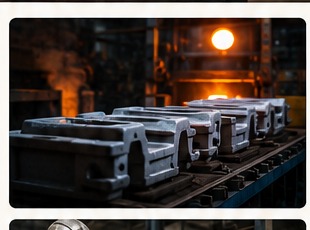


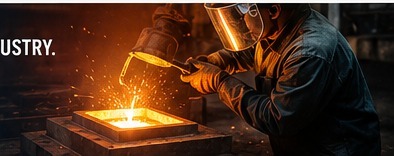 State funding priorities vary by region and industry.
First-Round State Programs
Use the table to identify service areas, funding levels, and industries prioritized by each participating state.
| State | Grant Title | Total State Award | Service Area |
|---|---|---|---|
| Arizona | Industry Grant | $5,000,000 | Pinal and Maricopa Counties, including the City of Phoenix |
| Connecticut | Connecticut Industry-Driven Skills Training Fund | $8,000,000 | Statewide |
| Georgia | Georgia Industry-Driven Skills Training Fund | $5,000,000 | Statewide |
| Iowa | AMP’D – Advanced Manufacturing Pathways Development | $4,682,000 | Statewide |
| Idaho | Industry-Driven Skills Training Fund | $8,000,000 | Statewide |
| Louisiana | Workforce Outcomes and Reimbursement for Key Sectors (WORKS) Training Fund | $7,000,000 | Statewide |
| Maine | Maine Defense Shipbuilding and Advanced Manufacturing Training Fund | $7,999,000 | Statewide |
| Michigan | Michigan Industry-Driven Skills Training Program (MIDSTP) | $8,000,000 | Statewide |
| Mississippi | MAST – Mississippi Advanced Shipbuilding Training | $5,705,000 | Jackson, Harrison, and Hancock Counties on the Mississippi Gulf Coast within the Twin Districts Local Workforce Development Area |
| Oklahoma | Oklahoma Talent Accelerator | $5,999,255 | Statewide |
| Tennessee | Tennessee Talent | $5,000,000 | Statewide, with focus areas in East Tennessee (nuclear), Middle Tennessee (technology and advanced manufacturing), and West Tennessee (logistics and advanced manufacturing) |
| Texas | Texas Industry-Driven Skills Training | $5,399,992 | Statewide |
| Wisconsin | Wisconsin Training for Resilient Advanced Industry Needs (WisTRAIN) | $7,330,022 | Statewide, with a focus on Southeast Wisconsin (Milwaukee), Northeast Wisconsin (Green Bay/Appleton), and Central Wisconsin (Madison/Wausau) |
| Wyoming | Industry-Driven Skills Training Fund Grant Program | $3,000,000 | Statewide, with targeted outreach in Albany, Campbell, Converse, Crook, Natrona, Sweetwater, and Weston Counties |