
Hire for Fit, Train for Skill: Bill Padnos' Presentation at AFS Metalcasting Congress
Are Your Systems in Place to Build a
Foundry Workforce for Your Future
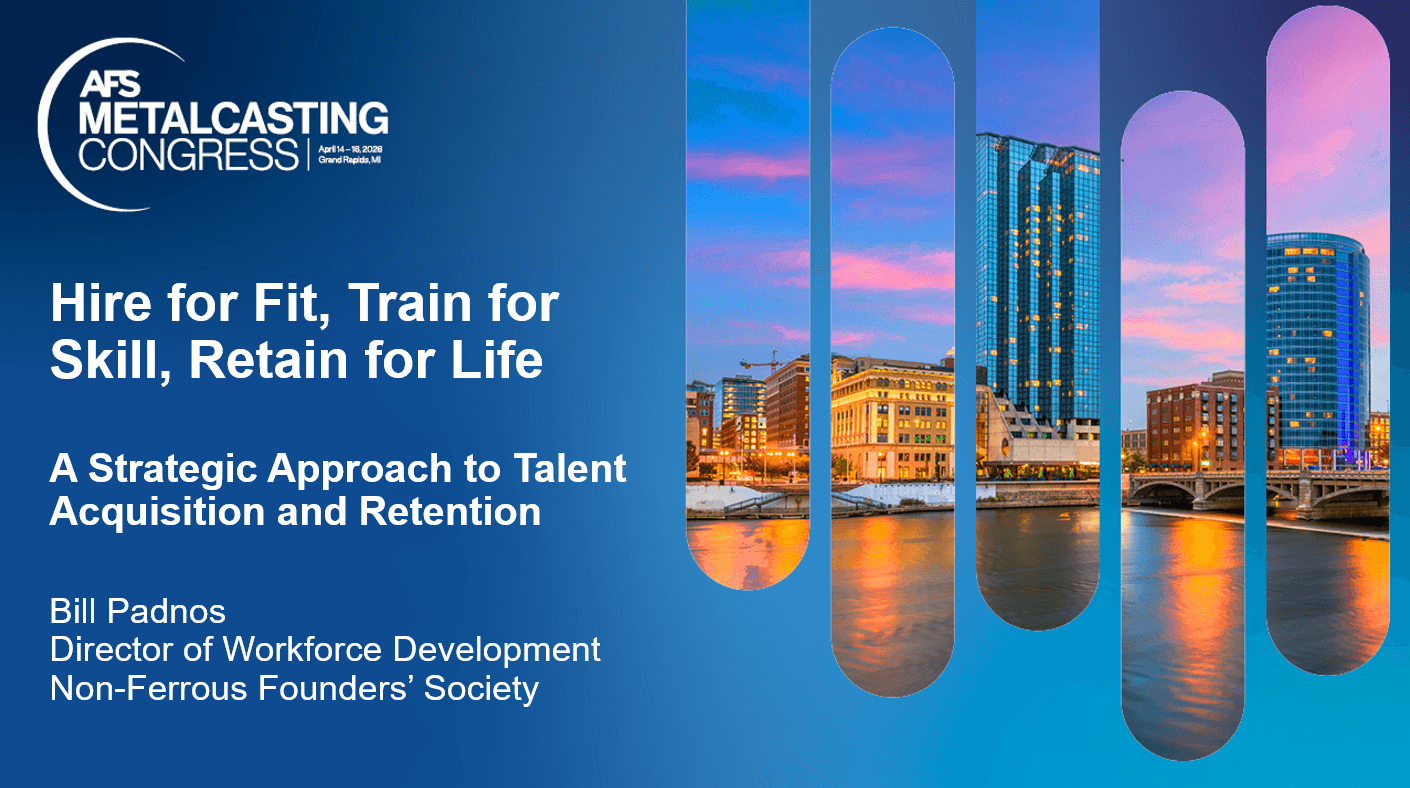 During the Talent Development track at the 2026 AFS Metalcasting Congress, I presented “Hire for Fit. Train for Skill. Retain for Life: A Strategic Approach to Talent Acquisition and Retention".
The session focused on one of the most pressing challenges facing manufacturers today: attracting, developing, and retaining the workforce needed to keep foundries running and growing.
I emphasized early in the presentation that workforce shortages are no longer just an HR problem to solve. They are a business issue that requires an all-hands-on-deck strategy across the entire organization. Workforce shortages directly impact productivity, quality, safety, and growth. In many cases, talent availability now limits operational performance.
More than 2.1 million manufacturing jobs are projected to go unfilled by 2030, including over 380,000 positions in the metal casting industry. With many foundries struggling to recruit production workers, maintenance technicians, mold makers, supervisors, and metallurgical talent, the traditional “post and hope” approach to hiring is no longer enough.
Instead, I encouraged foundries to adopt a more strategic, demand-driven approach to workforce development built around a simple concept: hire for fit, train for skill, and retain for life.
The presentation highlighted the importance of hiring people who fit the culture and demands of a foundry environment. Dependability, coach ability, teamwork, safety awareness, and willingness to learn are often stronger indicators of success than previous foundry experience alone.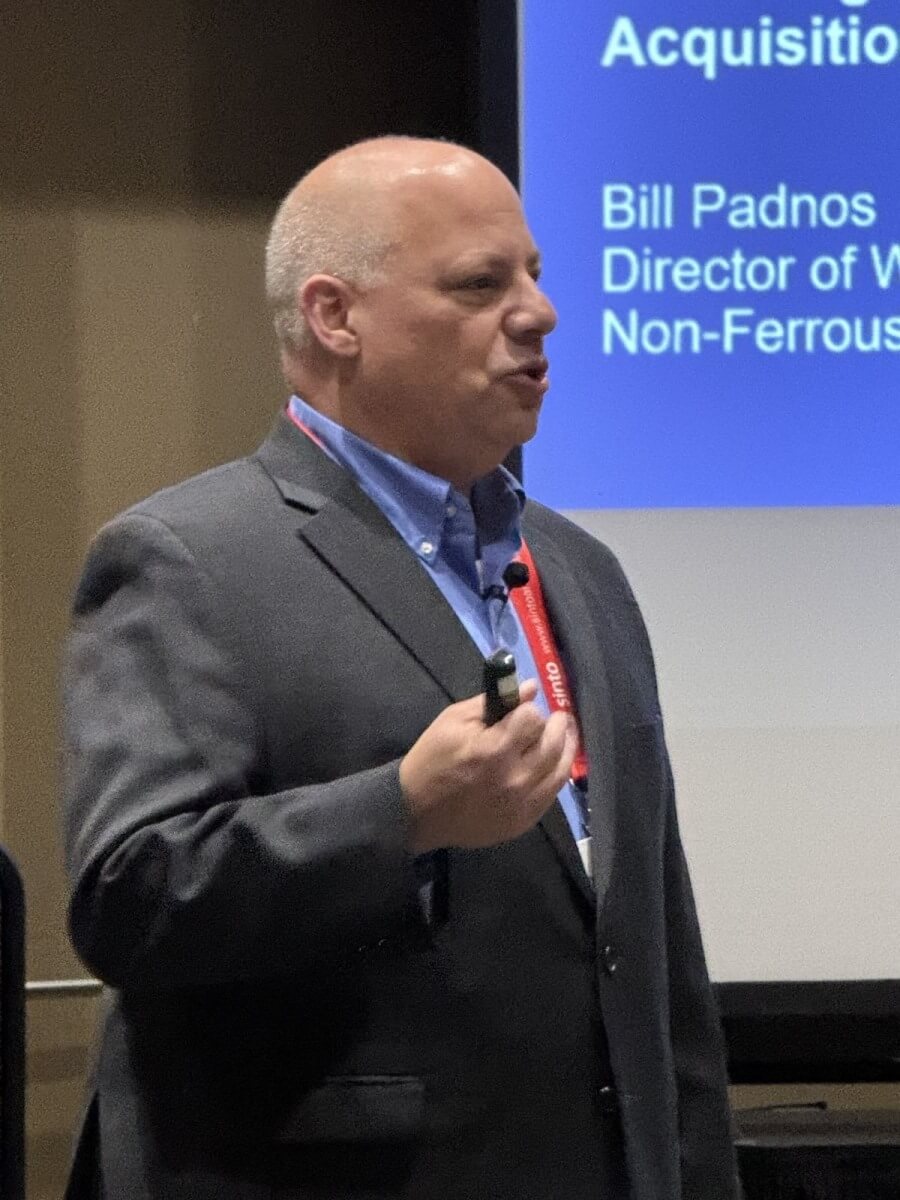 I also discussed the need for stronger onboarding and retention systems. Too many new hires leave within their first 30, 60, or 90 days because they do not feel connected, supported, or prepared for success. Foundries that invest in strong first-day experiences, clear onboarding plans, Navigators, regular check-ins, and leadership involvement are more likely to keep new employees engaged and productive.
A major focus of the presentation was leadership. Employees are more likely to stay when supervisors communicate clearly, provide feedback, recognize effort, and help team members see a future within the company. Retention is not just an HR issue. It is a leadership issue.
Many of the tools and strategies discussed are already being used by foundries engaged in NFFS Talent Pipeline Program Cohort, which provides companies improve with proven tools, monthly coaching, peer learning, and practical support to improve hiring, onboarding, retention, and leadership development.
The presentation slides are also available for download for those interested in reviewing the workforce statistics, retention strategies, and practical tools shared during the session.
For more information, visit nffs.org/tpp or reach out to me at bill@nffs.org to learn more about joining the next cohort.
The session served as an important reminder that workforce challenges will not be solved by simply posting more jobs. Foundries must create better systems for finding the right people, helping them succeed, and giving them reasons to stay.