
Your Voice Matters
Urge Congress to invest in CTE and
America’s manufacturing workforce.
Finding and retaining skilled employees remains one of the most significant challenges facing the metalcasting industry. Foundries need qualified workers today, but they also need a strong education and workforce development system that introduces young people to manufacturing and prepares them for long-term careers.
That is why the Non-Ferrous Founders’ Society is working with the Association for Career and Technical Education (ACTE) and encouraging NFFS members and their employees to urge Congress to support education, career and technical education (CTE), and workforce development funding in the fiscal year 2027 appropriations process.
Why NFFS Is Working With ACTE
 ACTE is one of the nation’s leading advocates for career and technical education. The association represents educators, administrators, workforce professionals, and industry partners working to prepare students and adults for high-demand careers.
NFFS Director of Workforce Development Bill Padnos is an ACTE member and serves on the advisory council for the Coalition for Workforce Development through CTE. Through this involvement, NFFS helps bring the voice of foundries and small and midsized manufacturers into national conversations about education and workforce policy.
This relationship also reflects a broader commitment by NFFS. Our association recognizes that solving the industry’s workforce challenges requires more than posting job openings and hoping qualified candidates apply. Foundries must become active partners in the education and workforce systems serving their communities.
Supporting CTE is an essential part of that work.
CTE Graduates Are More Likely to Stay
The business case for supporting career and technical education is clear. New-hire reports submitted by manufacturers participating in the Talent Pipeline Program indicate that CTE graduates have the highest retention rates among their new employees.
Why are these employees more likely to stay?
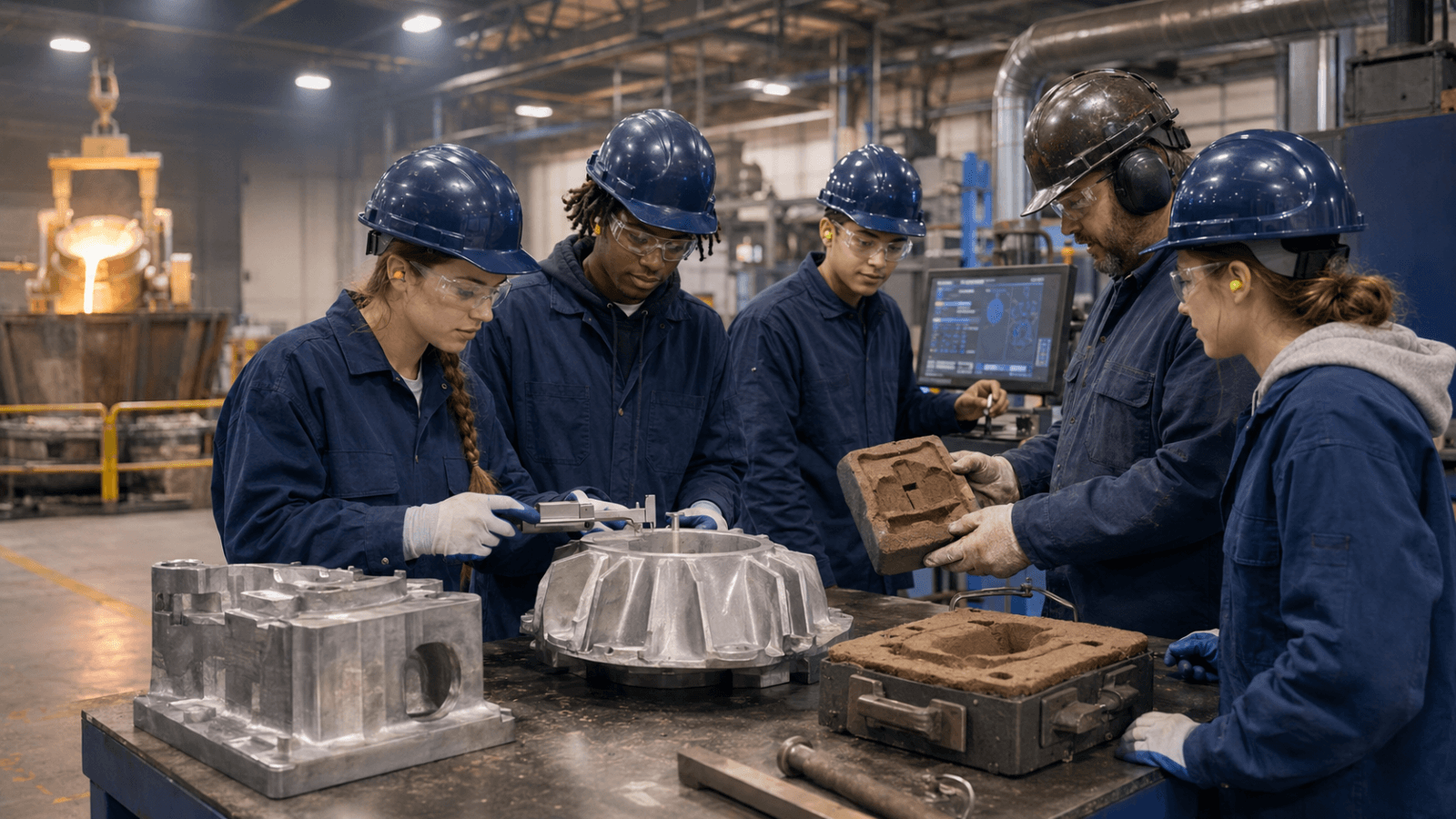 Many CTE students are exposed to manufacturing while they are still in high school. They learn about the work, develop relevant technical and employability skills, and gain a more realistic understanding of what industrial careers require. Through classroom instruction, work-based learning, facility tours, internships, apprenticeships, and direct interaction with employers, they can determine whether manufacturing is the right fit before accepting a full-time position.
That early exposure produces better-informed candidates. They understand that manufacturing can be demanding, but they also recognize the opportunities it provides for stable employment, skill development, advancement, and meaningful work.
For employers, that can lead to better hiring decisions, shorter learning curves, stronger employee engagement, and improved retention.
Federal Funding Supports Local Talent Pipelines
Congress has approved a continuing resolution that maintains current funding levels through December 11, giving lawmakers additional time to complete the FY 2027 appropriations process.
The House version of the Labor, Health and Human Services, and Education appropriations bill includes a proposed $10 million increase for the Perkins Career and Technical Education Basic State Grant. Perkins funding helps states and local CTE programs prepare students for careers in manufacturing and other high-demand industries.
While the proposed increase is encouraging, the legislation also includes significant reductions across the U.S. Departments of Education and Labor. These include cuts to programs supporting adult education, workforce preparation, and other services that help individuals develop the foundational and technical skills employers need.
Perkins funding is critical, but it cannot support the workforce system alone. Foundries depend on a connected network of high schools, CTE centers, community colleges, adult education providers, apprenticeship programs, and local workforce organizations.
Investments in that system help ensure that:
- Students are introduced to metalcasting and manufacturing careers.
- CTE programs have modern equipment and industry-relevant curricula.
- Educators understand the skills and behaviors local employers need.
- Students can participate in internships and other work-based learning experiences.
- Adults can strengthen the foundational skills required for technical training.
- Employers can develop sustainable local talent pipelines.
For foundries, this is not simply an education policy issue. It is a workforce, competitiveness, supply chain, and national security issue.
NFFS Members Must Add Their Voices
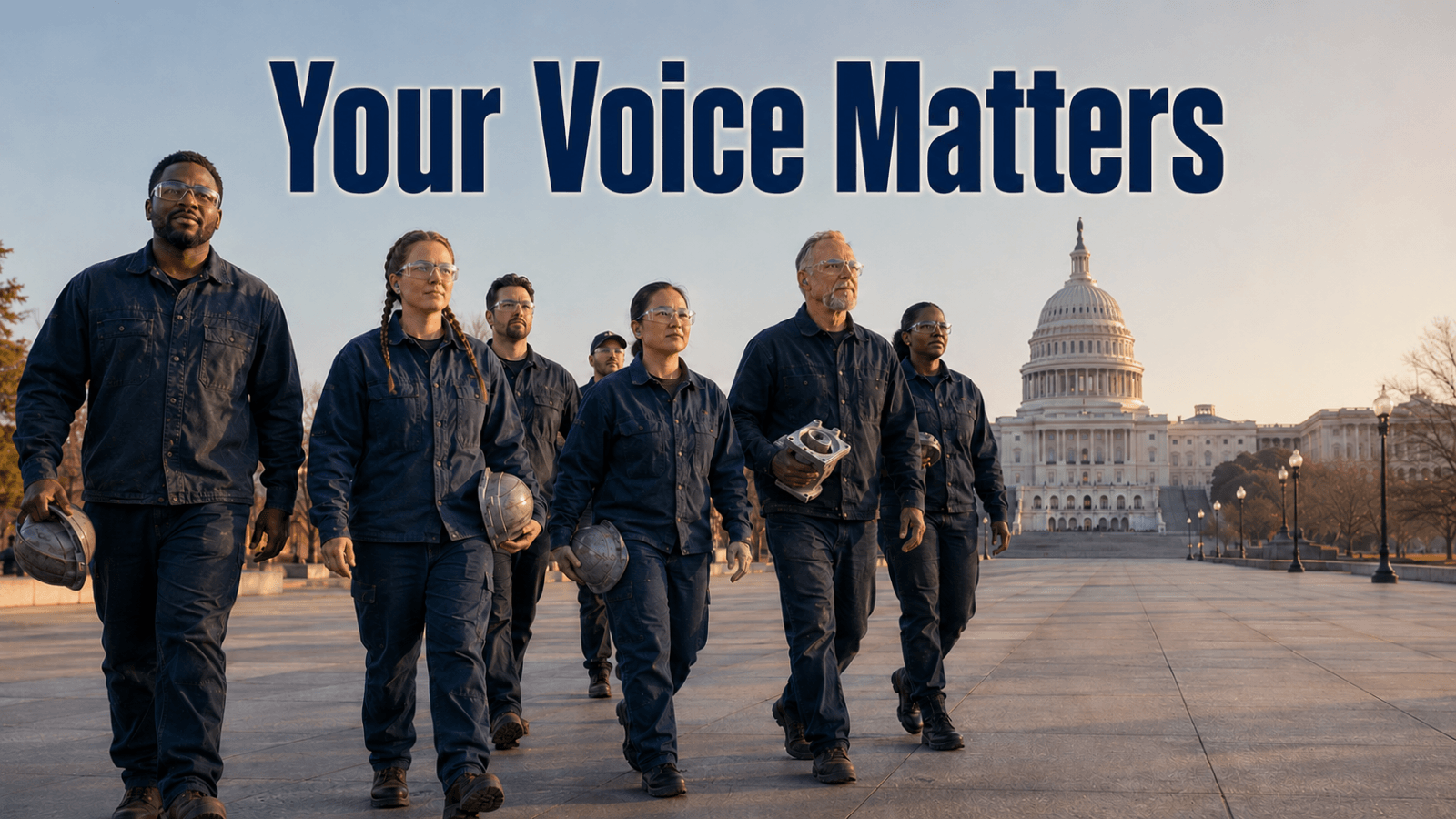 NFFS has committed to supporting CTE at the national level, but the association cannot do this work alone. Congress also needs to hear directly from the companies employing people in metalcasting and manufacturing.
A message from a foundry owner or executive carries weight. Messages from supervisors, engineers, skilled tradespeople, apprentices, recent CTE graduates, and other employees can make the industry’s case even stronger.
NFFS encourages every member company to share this request with its workforce and invite employees to participate. Employees who benefited from a technical education program can tell lawmakers how that experience helped them enter the industry, develop their skills, and build a successful career.
These personal stories demonstrate that investments in CTE and workforce development produce real results for workers, employers, communities, and American manufacturing.
The request is straightforward: Congress should adequately fund Perkins CTE and sustain investments across the broader education and workforce development system.
Take Action Today
NFFS members and their employees can use the ACTE Action Center to send a message urging their senators and representatives to support education, CTE, and workforce development funding in FY 2027.
You may also contact congressional offices directly, particularly if you have established relationships through previous meetings or advocacy efforts. Call the U.S. Capitol switchboard at (202) 224-3121 to be connected with your senators’ or representative’s offices.
Foundries consistently identify workforce development as essential to their future. Now is the time to act on that belief.
Please contact Congress and ask your employees to join you. Supporting CTE helps individual foundries find and retain better-prepared employees, strengthens the entire metalcasting industry, and ensures American manufacturing has the workforce it needs to grow and compete.