
USTR Proposes New Tariffs Following Forced Labor Trade Investigations
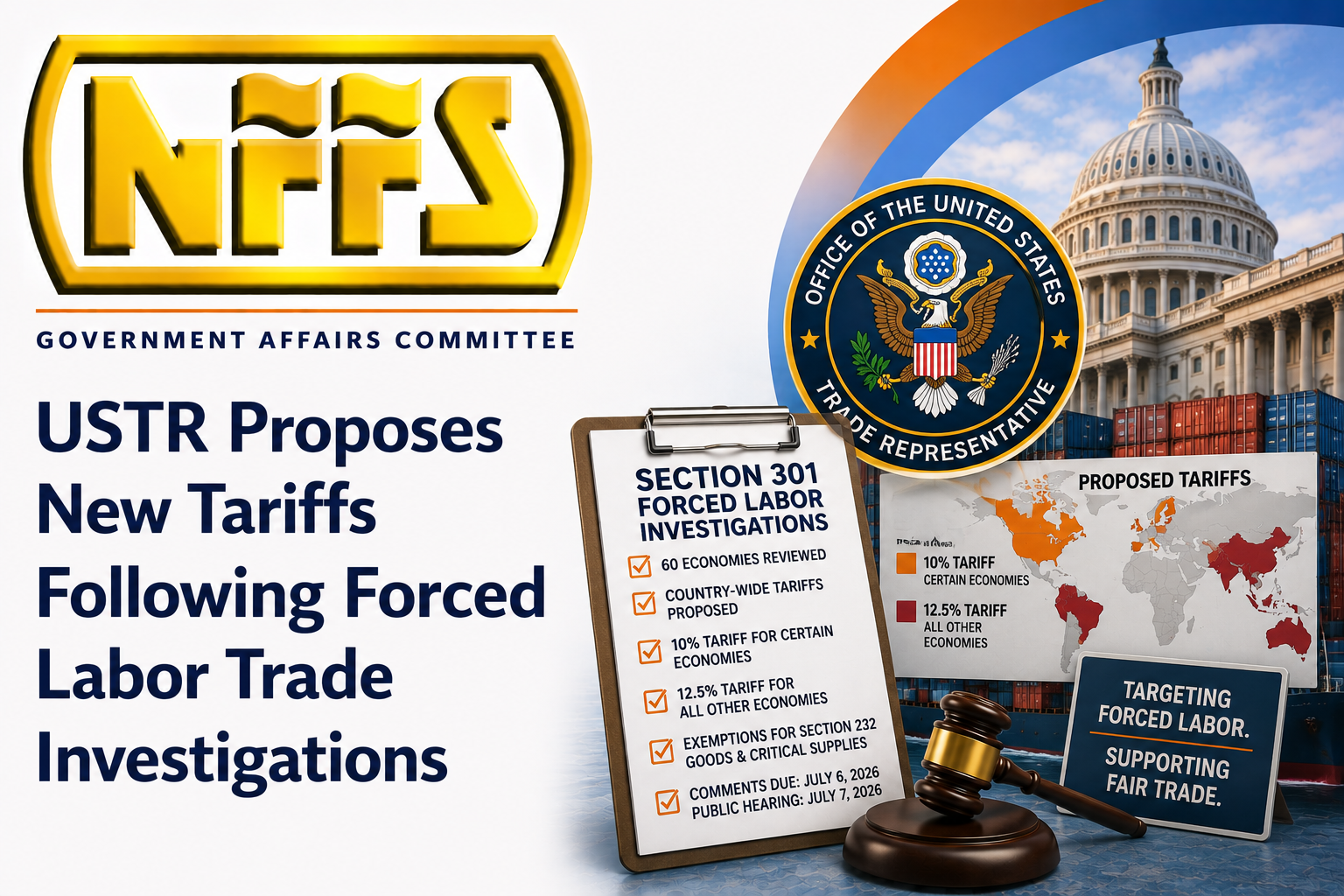 A new U.S. trade proposal could impose additional tariffs on imports from dozens of trading partners following a series of Section 301 investigations into foreign forced labor enforcement practices.
The Office of the U.S. Trade Representative (USTR) recently concluded investigations covering 60 economies and determined that each maintains acts, policies, or practices related to forced labor that burden or restrict U.S. commerce. As a result, the agency has proposed country-wide tariffs that would apply across most imported products from the affected economies.
Under the proposal, a 10 percent tariff would apply to imports from countries that have enacted forced labor import bans, committed to implementing such measures through Reciprocal Trade Agreements, or established limited restrictions on certain forced labor goods. This group includes Canada, the European Union, Mexico, the United Kingdom, Pakistan, Taiwan, Malaysia, Indonesia, Argentina, Bangladesh, Cambodia, Ecuador, El Salvador, and Guatemala.
Imports from all other economies covered by the investigations would face a proposed 12.5 percent tariff. Unlike many recent trade actions that target specific sectors, products, or supply chains, the proposed duties would generally apply across entire countries.
However, USTR has recommended exempting all products already covered by Section 232 tariffs, along with certain raw materials and other goods where additional duties could create supply shortages or broader economic disruptions. Products that cannot be sourced in sufficient quantities from U.S. producers or alternative foreign suppliers would also be excluded.
USTR argues that stronger trade measures are necessary to address the competitive distortions created when goods produced with forced labor enter international markets. According to the agency, those products may benefit from artificially low production costs that place U.S. manufacturers and workers at a disadvantage.
Stakeholders have until July 6, 2026, to submit comments on the proposal, and USTR will hold a public hearing on July 7 before determining whether to move forward with the tariffs.
The forced labor investigations are separate from USTR's ongoing Section 301 investigations into global excess manufacturing capacity, which are examining foreign industrial policies affecting sectors such as metals, machinery, semiconductors, automobiles, and energy products. Additional developments in those cases are expected in the coming months.