
Pay for Play
A Paycheck or a Path? Why Foundry Careers
Offer More Than a Starting Wage
Walk into almost any manufacturing company today and you will hear the same concern: “We cannot find enough people.” Then drive down the road and you may see a warehouse, distribution center, convenience store, or large retailer advertising an hourly wage that immediately grabs a jobseeker’s attention.
That creates a difficult question for foundries: How do we compete with Amazon, Buc-ee’s, and other highly visible employers that lead their recruiting message with starting pay?
The answer is not to dismiss wages. Pay matters. Every employee deserves a living wage and the ability to support a family. If a foundry’s wages are not competitive, no recruiting slogan will solve the problem. But starting pay is only one part of a much larger employment decision. A jobseeker should also be asking: What will I learn? Where can this position take me? Will I have the opportunity to build a career? Does my work matter?
That is where foundries have a powerful story to tell.
A Higher Starting Wage Is Not Always a Better Opportunity
An entry-level job at a warehouse or large retail operation may offer an attractive hourly rate, predictable responsibilities, and a recognizable employer name. For some workers, that may be the right choice. But a starting wage does not reveal the full value of a job.
What skills will that employee possess after one year? What opportunities will exist after five years? Will the work provide a pathway to greater responsibility, specialized knowledge, leadership, and higher earnings? Or will the employee still be performing essentially the same task while waiting for the next company to offer another dollar per hour?
A foundry can offer something more valuable than a short-term pay increase: a long-term career path.
An employee may begin as a production helper, but that first job can lead to becoming a molder, melter, coremaker, quality technician, maintenance specialist, patternmaker, CNC operator, supervisor, engineer, or plant leader. Along the way, employees learn how materials behave, how advanced equipment operates, how quality is protected, how problems are solved, and how a team turns raw metal into a critical component.
Those are transferable skills. They create value for the employee, the company, and the entire manufacturing economy.
The Next Generation Wants Pay and Purpose
Employers sometimes ask whether the next generation is motivated by money or by making a difference. That is the wrong choice to offer them.
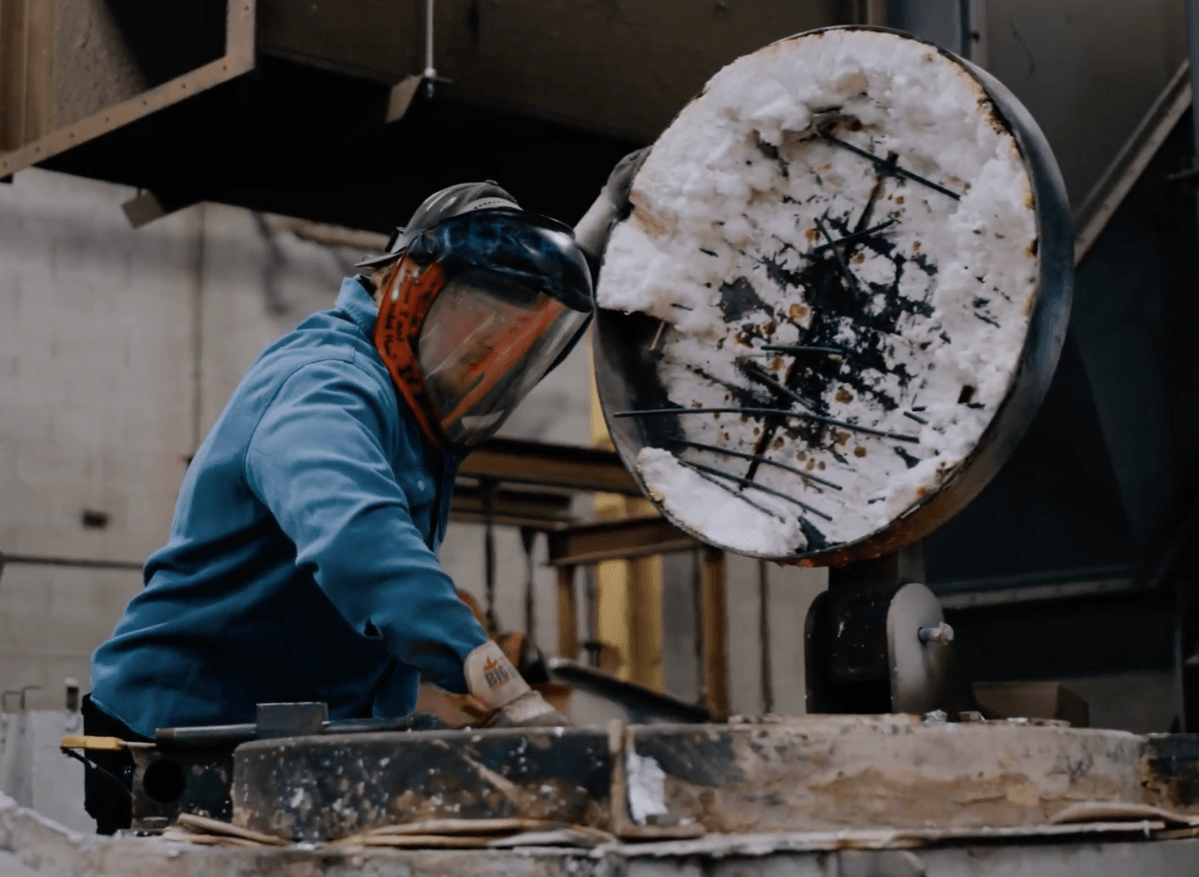 Young people should not have to choose between purpose and a paycheck. They want to earn a living wage, but many also want to know that their time and talents matter. They want opportunities to learn, advance, contribute, and be recognized. They want to see a future, not simply fill a shift.
Foundry work delivers that sense of purpose in a way few industries can match. Castings are essential to transportation, infrastructure, energy, medical equipment, national defense, and countless products people depend on every day. A foundry employee is not simply making another part. That employee may be helping keep a ship at sea, an aircraft in the air, a fire truck responding, or a power system operating.
The work is real. The results are tangible. At the end of a shift, employees can point to something they helped create and understand why it matters.
But purpose alone is not enough. Foundries must connect that meaningful work to competitive compensation, strong benefits, structured training, safe workplaces, supportive supervisors, and visible advancement opportunities. We cannot simply tell young people that manufacturing is important and expect them to overlook a poor employee experience.
Who Are You Trying to Hire?
Foundries should also ask themselves a more challenging question: Are we recruiting someone who is only comparing entry-level wages, or are we attracting someone who wants to become an engaged, lifelong learner and productive employee?
There is nothing wrong with a candidate asking about pay. In fact, it is responsible. The concern is whether the employment relationship begins and ends with the hourly rate. If a company competes only on starting pay, it should not be surprised when an employee leaves for fifty cents more somewhere else.
The goal should be to hire for fit, train for skill, and retain for life.
Hiring for fit means looking for curiosity, reliability, problem-solving ability, teamwork, and a willingness to learn. Training for skill means giving a new employee the instruction, coaching, and experiences needed to become proficient. Retaining for life means creating a workplace where employees can picture themselves growing, contributing, and building a future.
That kind of employee does not appear because a company posted a job opening. Foundries must show candidates what the future can look like.
Sell the Career, Not Just the Opening
Too many job advertisements describe what a candidate will do on the first day but say nothing about what that person could become. A list of physical requirements, shift times, and minimum qualifications may fill a page, but it rarely inspires anyone.
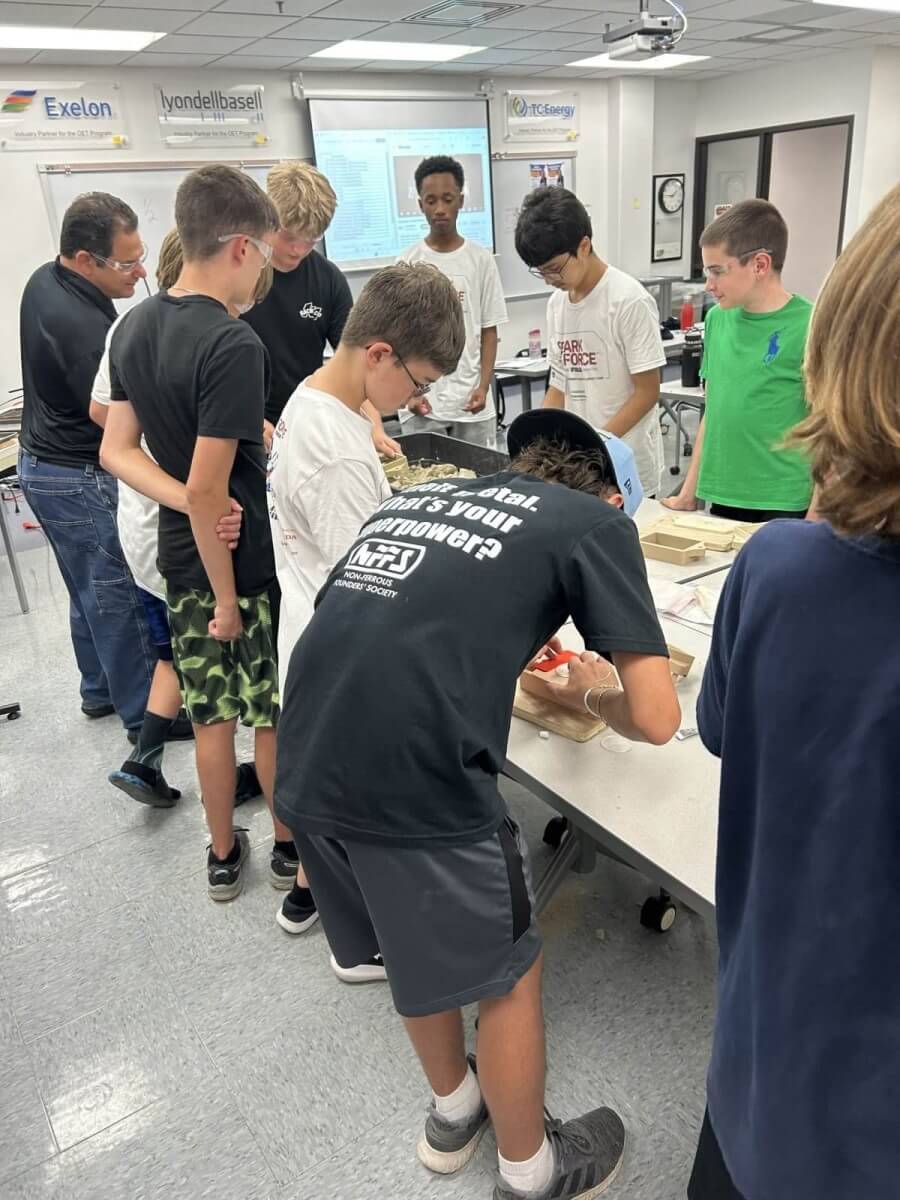 Foundries need to tell a more complete story:
- Show the products employees make and explain where those castings go.
- Introduce candidates to employees who started on the floor and advanced.
- Explain the training, credentials, apprenticeships, and tuition support available.
- Make wage progression and career pathways visible.
- Invite students, parents, educators, and jobseekers into the facility.
- Use realistic job previews so candidates understand both the challenges and the opportunities.
- Treat the first day and the first 90 days as the beginning of a career, not simply an orientation process.
Most importantly, listen to what prospective employees want from their working lives. Do not assume an entire generation lacks work ethic because it responds differently to the same recruiting message used 20 years ago. If young people do not understand the opportunities in metal casting, the industry must take responsibility for showing them.
The Choice We Must Make
Foundries will not win every candidate from Amazon, Buc-ee’s, or another large employer, nor should that be the goal. The goal is to reach people who want more than their next paycheck and then deliver on the promise of something more.
That promise includes a living wage today, valuable skills for tomorrow, a clear path forward, and the pride of making products that keep our communities and country moving.
The question is not whether the next generation cares about pay or purpose. It cares about both. The real question is whether our foundries are prepared to offer both, and whether we are telling that story loudly enough for the next generation to hear it.