
The Talent Shift Is Here!
Why 2026 Is a Critical Moment for NFFS Members
Recent reporting by the Pittsburgh Post-Gazette highlights a trend that should catch the attention of every NFFS member as we enter 2026: students and career changers are turning away from traditional four-year college paths and toward skilled trades and advanced manufacturing careers at a rapid pace.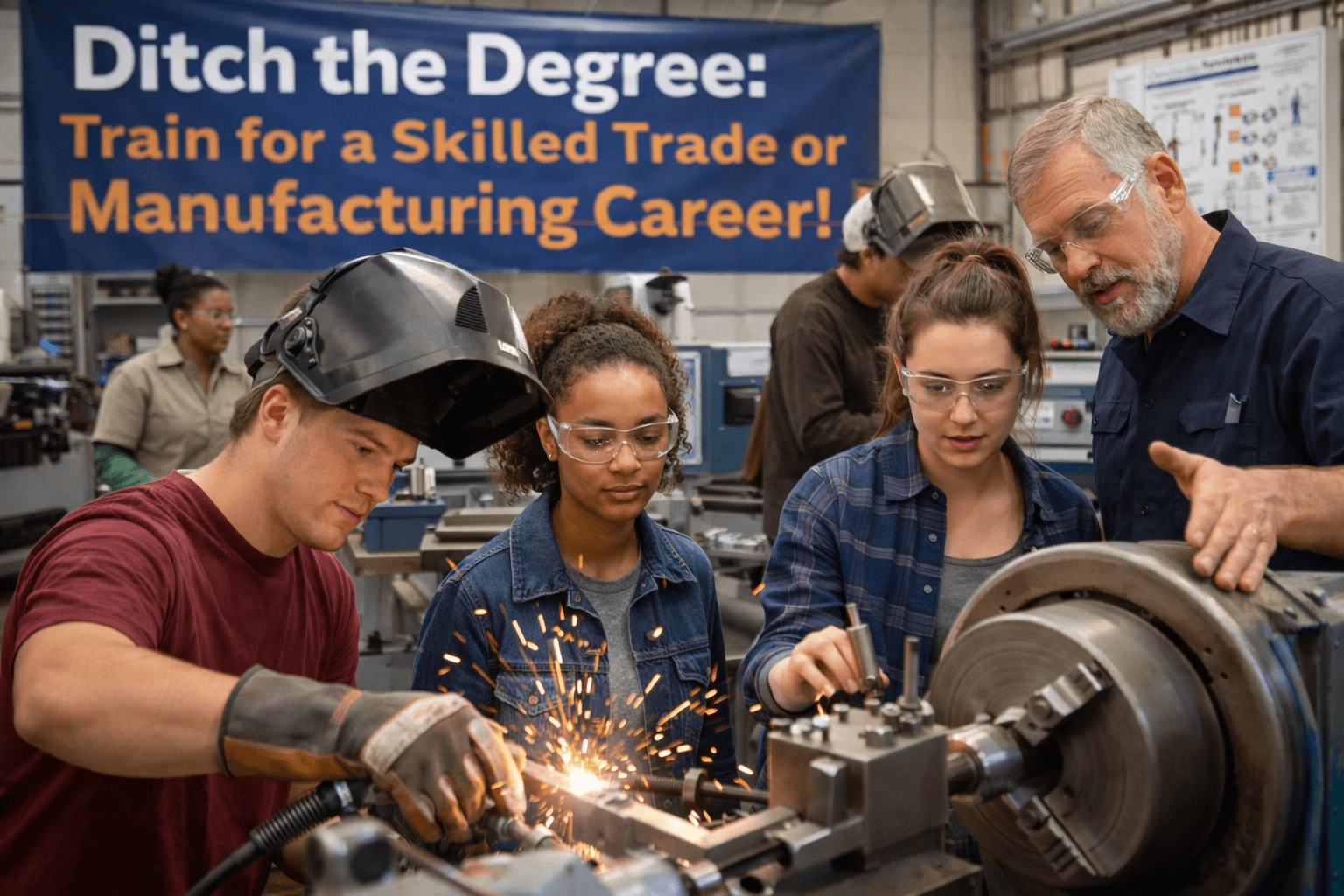 Rising tuition costs, student debt, layoffs in white-collar fields, and uncertainty around automation and artificial intelligence are reshaping how people think about work. The Post-Gazette story profiles both young students and mid-career adults who are actively choosing hands-on careers that offer faster entry into the workforce, strong wages, and long-term stability. Enrollment in vocational schools, CTE programs, community colleges, and apprenticeship pathways continues to climb across Pennsylvania and nationwide.
This shift is not theoretical. It is already happening in the communities where NFFS members operate.
Why This Matters to Metalcasting in 2026
For years, the metalcasting industry has struggled with workforce shortages while competing against outdated perceptions of manufacturing careers. What the Post-Gazette reporting makes clear is that the narrative has changed. Schools, parents, counselors, and students are increasingly viewing skilled trades as essential, respected, and economically smart career choices.
Foundries now have access to a growing pool of individuals who:
- Want hands-on, meaningful work
- Are motivated to earn while they learn
- Value job security and long-term career pathways
- Are actively seeking employers who will invest in training and development
In short, the talent NFFS members need is showing up. The question is whether foundries are ready to meet them.
Education Partners Are Ready - Are We?
The article also underscores a critical point: high schools, CTE centers, and community colleges are expanding their efforts to expose students to real-world careers. Career fairs, jobsite visits, hands-on labs, and employer partnerships are becoming standard practice. Many districts now celebrate students committing to apprenticeships and skilled careers with the same enthusiasm once reserved for four-year college signings.
What these education partners need next are engaged industry leaders. They are looking for employers who can provide plant tours, guest speakers, internships, apprenticeships, and clear career pathways into manufacturing.
This is where NFFS members can lead.
From Awareness to Action in 2026
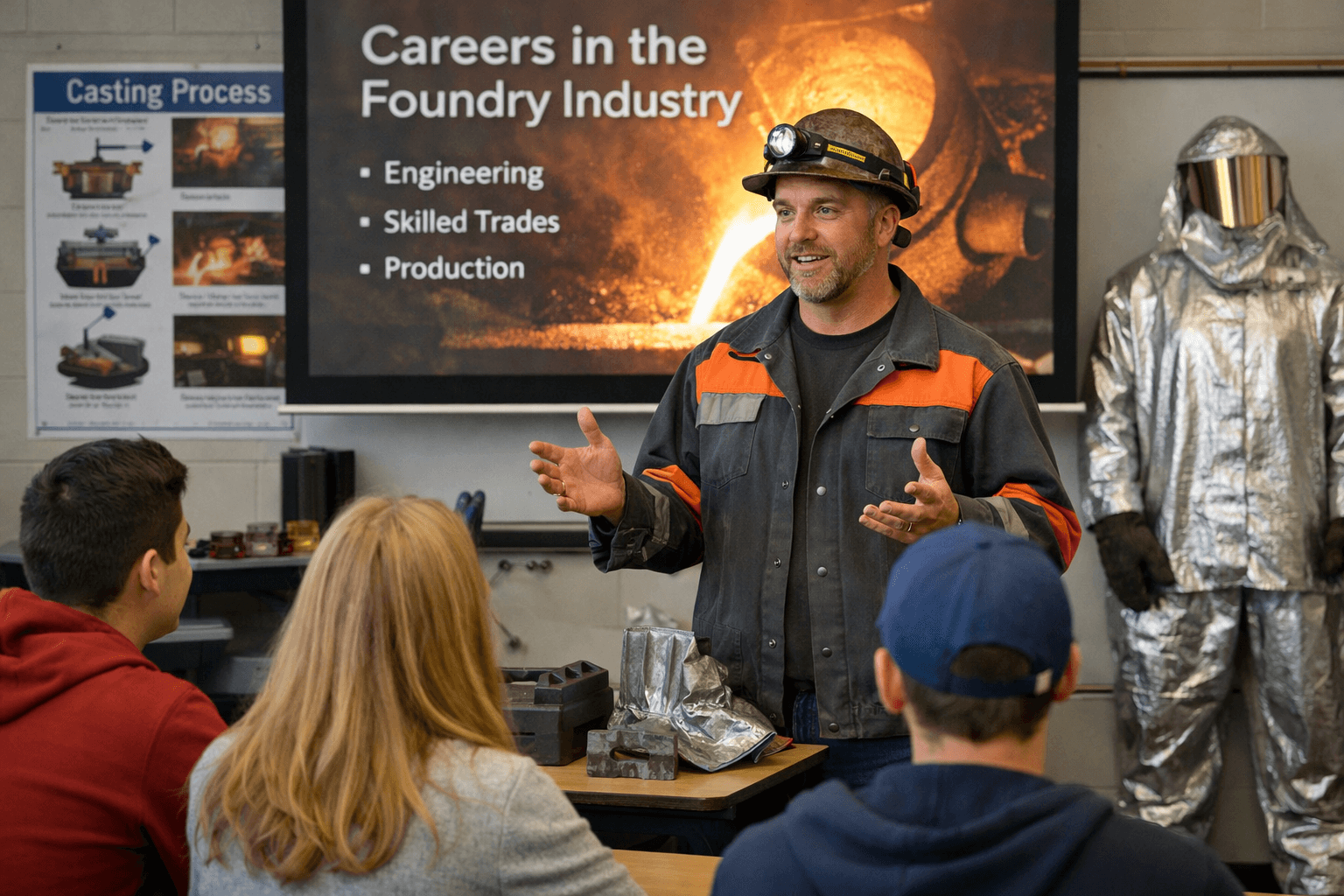 The Post-Gazette story reinforces something NFFS has long emphasized: workforce challenges will not solve themselves. Foundries that rely on “post and hope” recruiting strategies will continue to struggle, while those that invest in relationships and early engagement will build more resilient talent pipelines.
As we move into 2026, NFFS encourages members to:
- Strengthen relationships with local schools and training providers
- Participate in workforce development and talent pipeline initiatives
- Improve onboarding, training, and leadership development
- Actively tell the story of modern metalcasting careers in their communities
A Timely Opportunity
The workforce conversation has finally caught up with reality. Skilled, hands-on manufacturing jobs are increasingly viewed as stable, well-paying, and resistant to offshoring and automation. The Post-Gazette reporting simply confirms what many in our industry already know: the talent shift is real, and it is happening now.
For NFFS members, 2026 represents a window of opportunity. Those who engage early, invest intentionally, and lead locally will be best positioned to attract and retain the next generation of metalcasting talent.