
The Kids ARE Going To Be Alright
The lament of "kids these days..." has become common in our lexicon. Whether it's about popular trends that do not make sense (I'm looking at you, labubus), slang that is undecipherable, or their dependence on portable devices, it seems like this new generation of kids are just not up to snuff. I've had plenty of conversations with foundry teams to know that even the metal casting industry has not escaped this sentiment when it comes to younger workers.
 But I want to report that not all hope is lost.
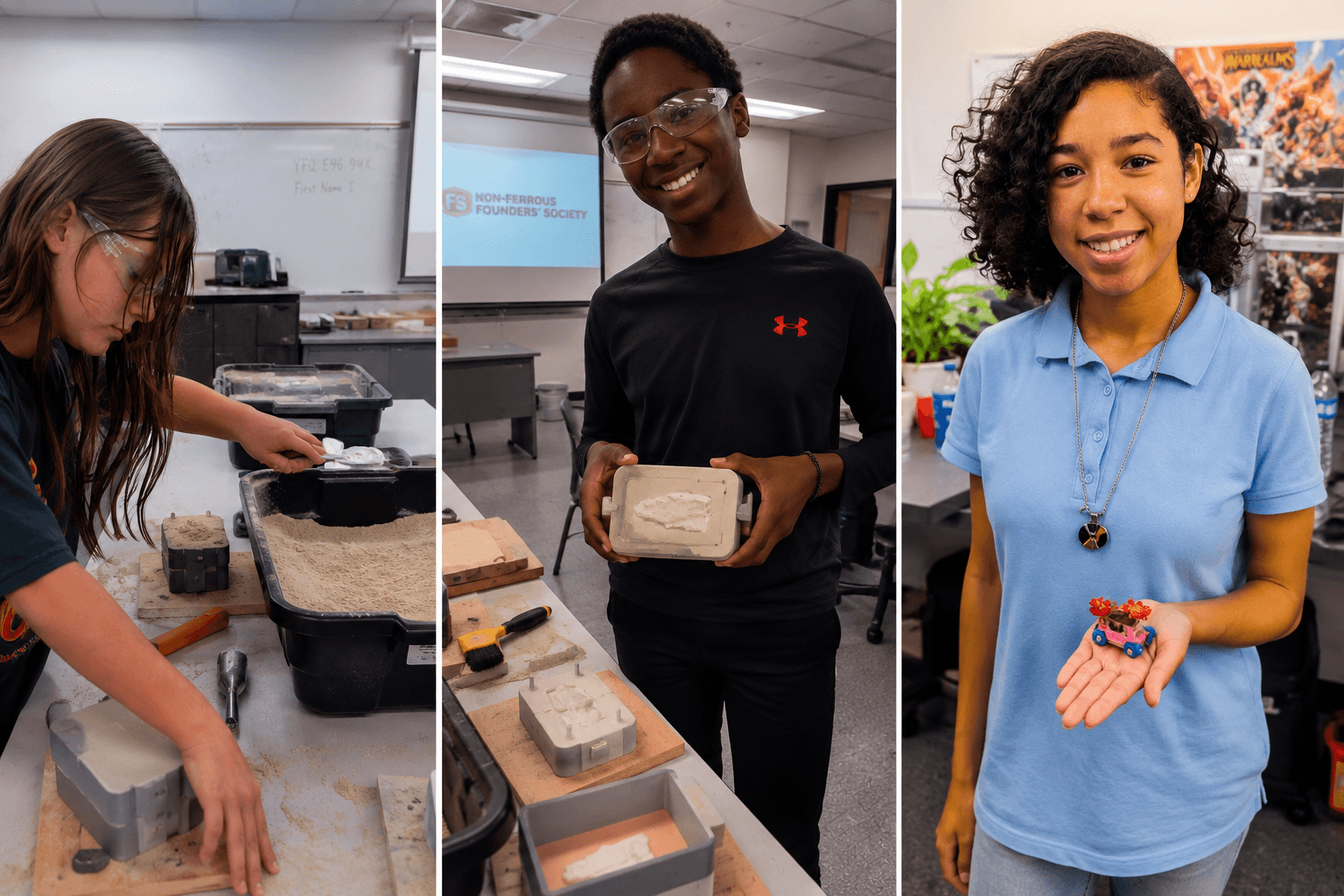
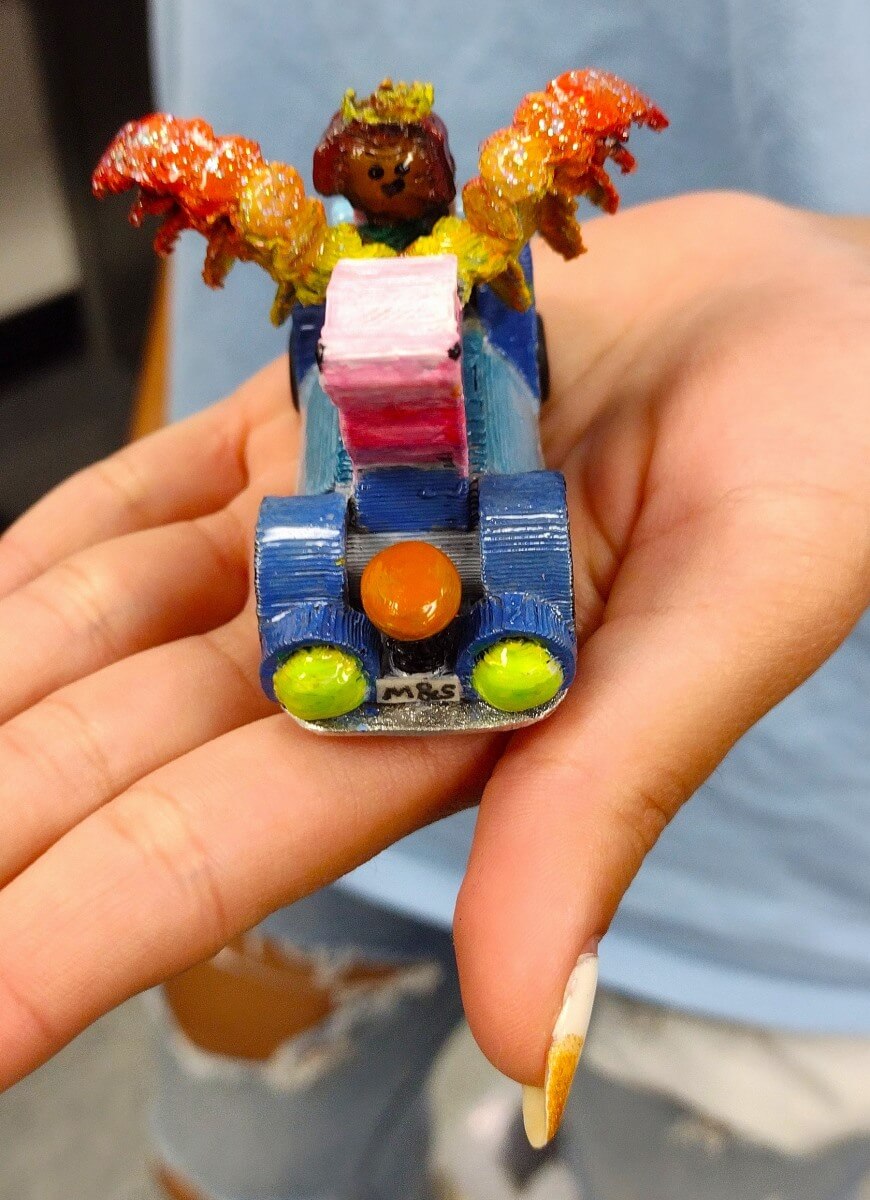
In fact, I feel incredibly impressed and overwhelmed by the promising talent and excitement I witnessed at the Resin and Metal Mastery class, held by Joe Costabile of FEF at Joliet Junior College. Costabile has spent years introducing young people to foundry work, and it shows in how comfortable these kids are moving between a laptop screen and a ladle of molten metal. The class mixed additive technology and metal casting, with ten students designing 3-D printed car bodies to sit atop tin cast bases. Walking into the room, you would not have guessed these were middle and high schoolers on summer break. Heads were down, hands were busy, and nobody seemed to be watching the clock. But the designs the students came up with looked far from the regular hot wheels you could buy at the store. Their imagination transformed the classroom into a place where the only limits were the printing capabilities. Designs ranged from a winged pegasus to a Dungeons and Dragons sword to Egyptian walls, even a hot dog.
"Oscar Meyer hot wheel car costs $30 on Ebay. I can make my own," said Justin, age 15, as he sat at a table carefully sanding his form. He had already been at it for twenty minutes by the time I got to him, unbothered by how long the work was taking. When I asked if he enjoyed the fine detail work of sanding, he said simply, "I like the process of success."
The class helped make engineering come alive. When I asked her favorite part about the class, 14 year old Kandace said, "Watching what is in your head to what is in your hands." Similarly, the physical, hands-on nature of metal casting had the biggest impact on the kids. "Satisfying to see the hot metal dry into a recognizable shape," said Hasan, age 12. William, age 13, agreed: "Metal casting with the sand is oddly satisfying."
The creativity doesn't stop when class ends. During lunch, William made a stop motion video just for something to do, and excitedly pulled it up on his phone to show me.
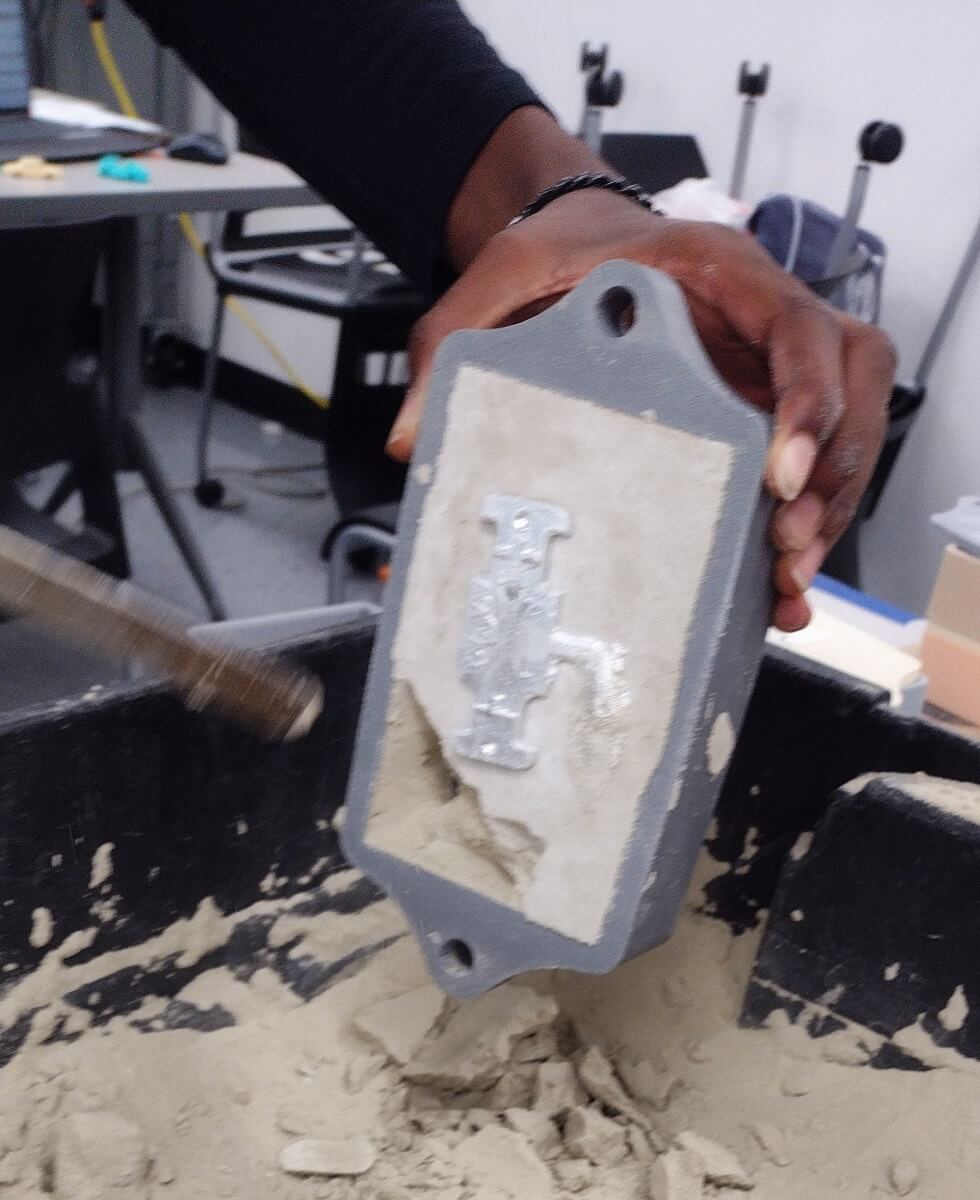 Troubleshooting does not overwhelm these kids. In fact, they were almost nonchalant about the prospect of failing and trying again. Saeed, 15, walked me through every step of his 3-D design process, pulling up earlier versions on the screen to show me exactly where things had gone wrong, including his design covering the axles and dragging too low on the track. He talked about it the way you would describe fixing a bike chain, more matter-of-fact than frustrated. "With engineering, you are not going to get it perfect on the first try," he said. Hasan felt the same way. "It can be frustrating but it's not the end of the world. Yesterday, I had to remake this 7 times," he said, without a hint of complaint in his voice as he continued making his mold. Hasan doesn't want to stop here either. He's planning to take Level 3 next.
The amount of comprehension these students have is astounding. They walked me through three different design software programs, using technical language that lost me quickly. Nobody in that room seemed to think what they were doing was remarkable. To them, it was just Wednesday.
What I want people to realize is these are the kids you need to connect with as they age and leave school. Find the students who are excited by challenges, who never stop thinking or wanting to learn, who see problems as nothing more than a small blip in their day. They are already thinking like engineers and problem solvers. The only question is whether our industry gets to them before someone else does.