
NFFS Workforce Development: Positioning Foundries for a Stronger Future
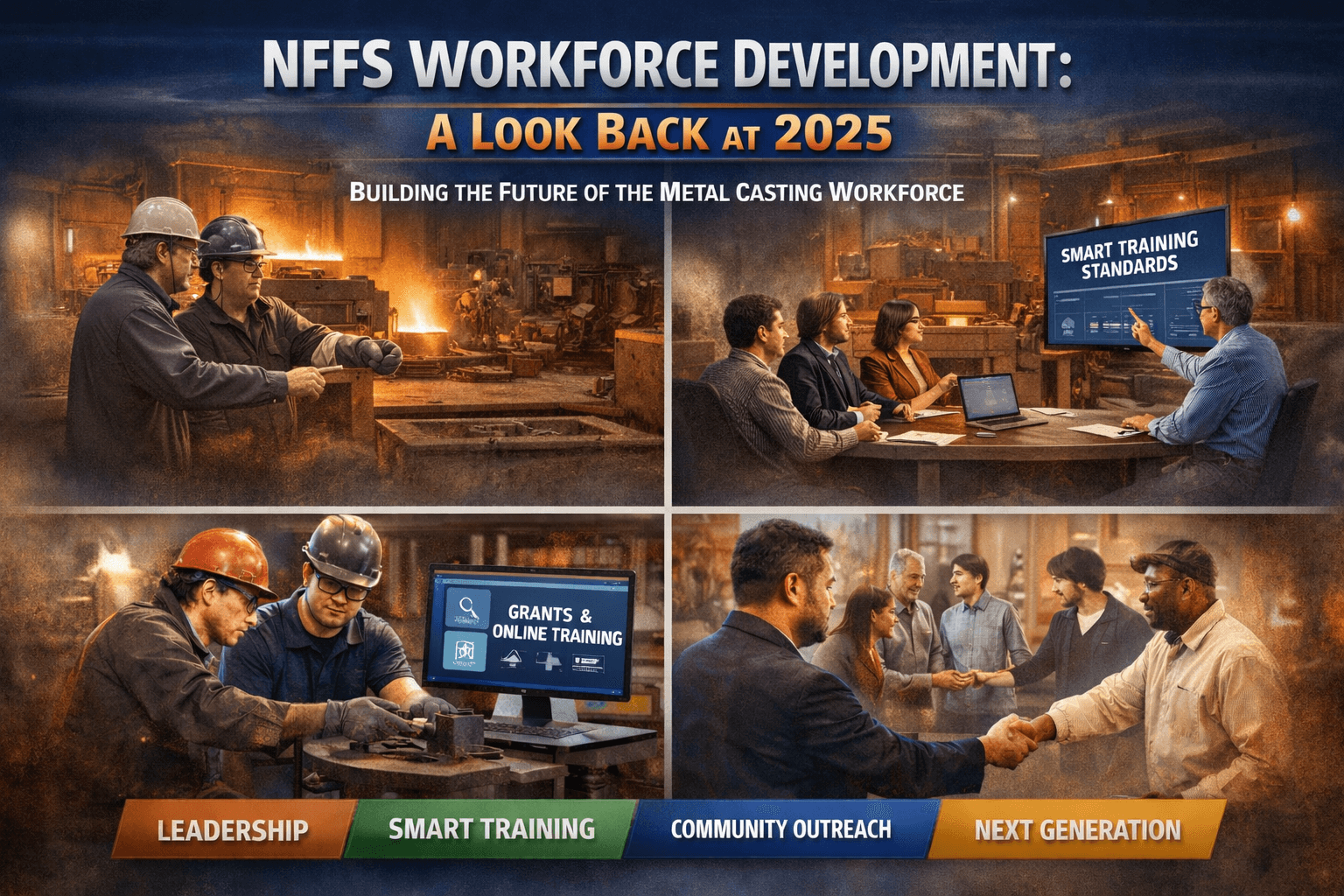 The workforce challenge facing the metal casting industry is well known. An aging workforce, increased competition for skilled talent, and limited awareness of manufacturing careers continue to pressure foundries of all sizes. In 2025, the Non-Ferrous Founders’ Society strengthened its commitment to helping members address these challenges with practical, sustainable workforce strategies rooted in leadership, training, and engagement.
Throughout the year, NFFS remained focused on one clear objective: ensuring member companies have access to the tools, resources, and partnerships needed to build strong talent pipelines and retain the people they already have.
Leadership as a Workforce Strategy
One of the most important lessons reinforced in 2025 is that workforce development does not begin with recruiting. It begins with leadership.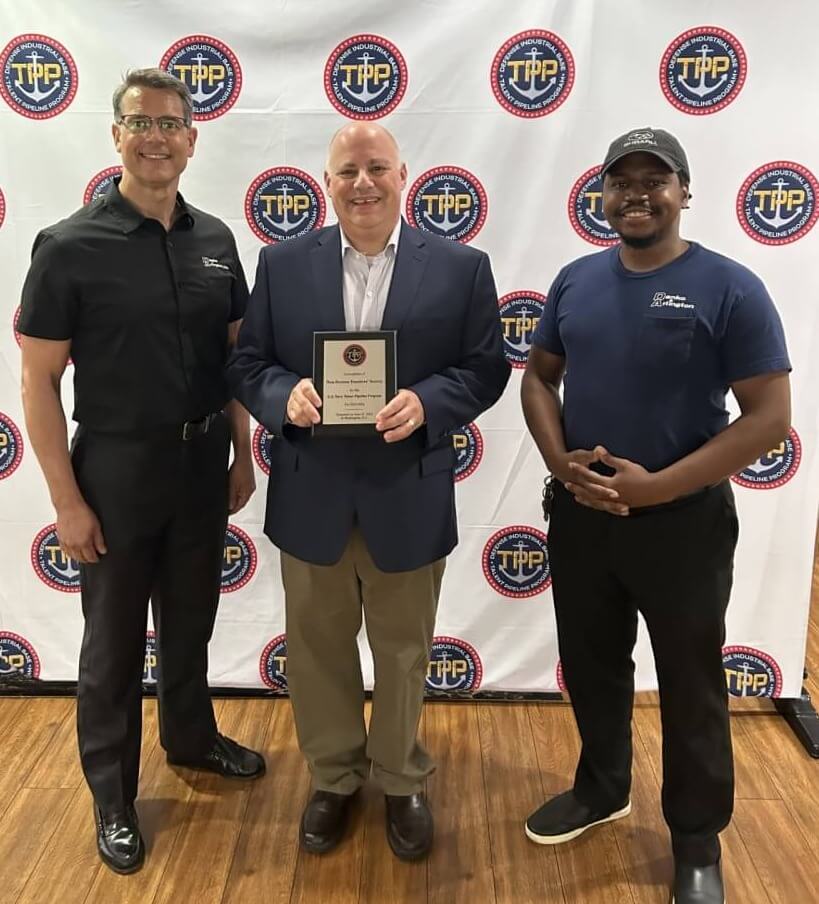 Through the U.S. Navy-funded Talent Pipeline Program, NFFS worked directly with member companies to strengthen frontline and mid-level leadership. Leadership Retention Training, paired with practical tools such as the 5th Metric Scorecard, helped supervisors better understand the connection between engagement and productivity. Members saw firsthand that when leaders communicate clearly, set expectations, and lead with intention, results follow.
These efforts reinforced a consistent message shared throughout the year: hiring talent is important, but keeping talent depends on how people are led every day.
Smart Training Standards, Moving Beyond Osmosis Learning
In 2025, NFFS emphasized the need for foundries to move away from traditional “osmosis” learning, where employees pick up skills informally through observation, and toward intentional, structured workforce training. Smart Training Standards (STS) provide a data-driven, performance-based framework that aligns training with real tasks performed on the shop floor. Instead of relying on tribal knowledge or inconsistent instruction, STS document critical skills, define expectations, and measure competency to improve consistency and quality.
By implementing Smart Training Standards, foundries can accelerate onboarding, reduce errors, create safer work environments, and improve retention, especially among younger employees seeking clear development pathways. STS also help organizations capture and standardize the knowledge of experienced workers, reducing risk when they retire or move on. Ultimately, Smart Training Standards allow foundries to modernize training, demonstrate workforce capability, and strengthen productivity and competitiveness in a rapidly evolving manufacturing environment.
The takeaway was clear: when training is structured, documented, and measured, it becomes a competitive advantage.
Developing the Next Generation of Leaders
Investing in the next generation was a major priority in 2025. Through the NFFS Next-Gen Webinar Series, emerging leaders gained access to practical insights on communication, leadership, mentorship, and professional growth. These sessions were designed for individuals stepping into greater responsibility across operations, engineering, quality, and leadership roles.
Topics such as personal branding, overcoming resistance, and leadership accountability reinforced the importance of early and continuous leadership development. Members were encouraged to identify their next generation of leaders and allow NFFS to communicate directly with them, increasing engagement and participation across organizations.
Developing future leaders today strengthens retention, supports succession planning, and builds long-term stability for member companies.
NFFS at the National Workforce Table
In 2025, NFFS strengthened its voice at the national level. Bill Padnos, Director of Workforce Development for NFFS, was named Chair of the METAL Advisory Network, a role that reinforces NFFS’s commitment to representing the metal casting industry in broader manufacturing and workforce conversations.
This leadership position ensures that when workforce development strategies, funding priorities, and training models are discussed nationally, the voice of non-ferrous foundries is present. NFFS is committed to being at the table, advocating for practical, industry-led solutions that reflect the realities of foundry operations.
Expanding Access to Workforce Resources
NFFS continued to expand the resources available to members in 2025, recognizing that workforce development requires both strategy and support.
The NFFS Grants Database provided members with greater visibility into federal, state, and private funding opportunities that can support training, equipment, apprenticeships, and community partnerships. By helping members identify and pursue grant opportunities, NFFS reduced barriers to investment in workforce initiatives.
NFFS also expanded access to online manufacturing training through its partnership with Tooling U-SME. These on-demand courses allow members to provide consistent, scalable training across skill levels, supporting onboarding, upskilling, and continuous improvement efforts.
Together, these resources help members move from intention to action.
Building Talent Pipelines Through Community Outreach
Workforce challenges may be national, but solutions are local. In 2025, NFFS consistently encouraged members to engage with schools, career and technical education programs, workforce boards, and community organizations in their regions.
Community outreach builds awareness, strengthens relationships, and creates pathways into metal casting careers. Whether hosting a tour, speaking in a classroom, supporting an educator, or participating in a local workforce initiative, members were reminded that local engagement is one of the most effective ways to influence the future workforce.
NFFS supported these efforts by sharing best practices and reinforcing that meaningful impact starts at the community level.
Scholarships, Internships, and Early Engagement
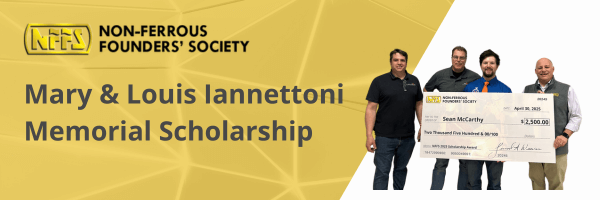 NFFS continued its investment in early talent development through scholarships and internship advocacy. The Mary and Louis Iannettoni Memorial Scholarship remains an important tool for supporting education and training tied directly to metal casting careers. Members were encouraged to actively recruit applicants, reinforcing the idea that scholarships are workforce investments, not just financial assistance.
NFFS also promoted structured internship programs as a proven way to evaluate talent, develop skills, and strengthen relationships with local schools and colleges.
Looking Ahead
The work of workforce development is ongoing. What 2025 demonstrated is that progress happens when leadership, training, resources, and partnerships are aligned.
As NFFS enters 2026, the focus remains on helping members move from awareness to action. Whether developing stronger leaders, implementing smarter training standards, leveraging grants and training resources, engaging the next generation, or building local community partnerships, NFFS is committed to being a trusted partner.
The challenges are real, but so is the opportunity. NFFS will continue to ensure that when foundry workforce development is discussed at any level, the voice of its members is heard.