
Recap: Introducing Smart Training Standards: Increasing Your Training Maturity on the Foundry Floor
 Non-Ferrous Founders’ Society (NFFS) launched its new Workforce Development Webinar Series with an inspiring and thought-provoking session featuring Montez King, Executive Director of the National Institute of Metalworking Skills (NIMS). The webinar, titled “Introducing Smart Training Standards: Increasing Your Training Maturity on the Foundry Floor,” explored how foundries can take a more structured, data-driven approach to workforce development to meet the evolving demands of modern manufacturing.
Hosted by Bill Padnos, NFFS Director of Workforce Development, the session addressed a challenge familiar to many in the metalcasting industry: despite advancements in technology and production methods, workforce training practices often remain outdated; informal, inconsistent, and overly dependent on on-the-job learning through observation.
Moving Beyond “Osmosis” Learning
King began by highlighting a common reality in many shops and foundries: much of the training that occurs on the floor happens by osmosis, workers picking up skills over time through observation and repetition. While this approach can transfer some knowledge, it often leaves too much to chance. Critical skills may be overlooked, and process variability can lead to inefficiency, safety issues, and inconsistent product quality.
To remain competitive, King argued, foundries must transition from passive learning to purposeful training, implementing systems that capture, measure, and continually improve workforce skills.
What Are Smart Training Standards?
The solution, King explained, lies in the adoption of Smart Training Standards (STS), a framework developed by NIMS to help manufacturers modernize their workforce development processes. STS aligns training directly with the actual tasks employees perform, creating a feedback loop between job performance and learning outcomes.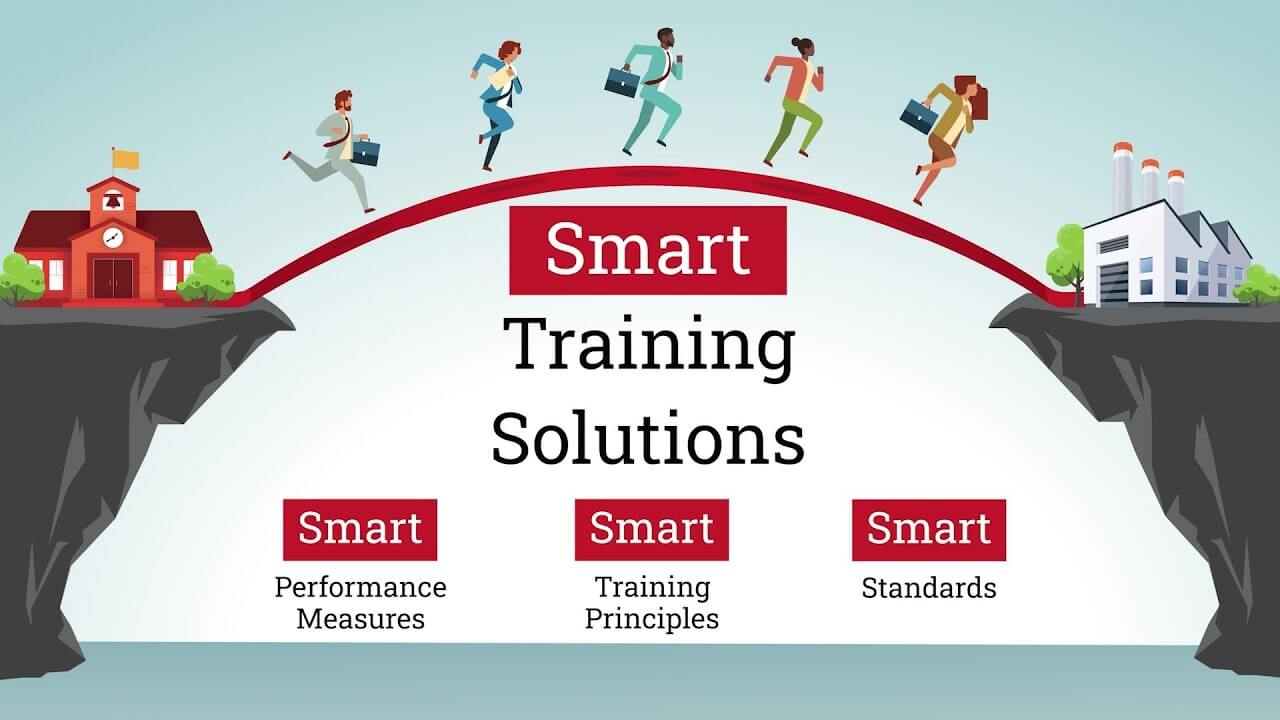
Unlike traditional training programs that rely on courses or manuals detached from the shop floor, Smart Training Standards are performance-based and data-driven. They connect skills, standards, and metrics so that training not only teaches workers how to perform tasks, but also quantifies how well they’re doing and identifies opportunities for improvement.
The Four Levels of Training Maturity
King outlined the four levels of training maturity, which describe an organization’s progression from unstructured to optimized training systems:
- Osmosis: Skills are learned organically, with little documentation or consistency.
- Structured: Training processes exist, but they’re static and may not fully reflect actual workflows.
- Integrated: Training standards are connected to real job performance and updated regularly.
- Optimized: Training is fully embedded in daily operations, continuously improved through data and feedback.
Most organizations, King noted, operate somewhere between Levels 1 and 2, relying on a combination of experience and partial documentation. Reaching Levels 3 and 4 requires a cultural shift toward treating training not as a separate activity, but as a core operational process.
Turning Tribal Knowledge into Living Standards
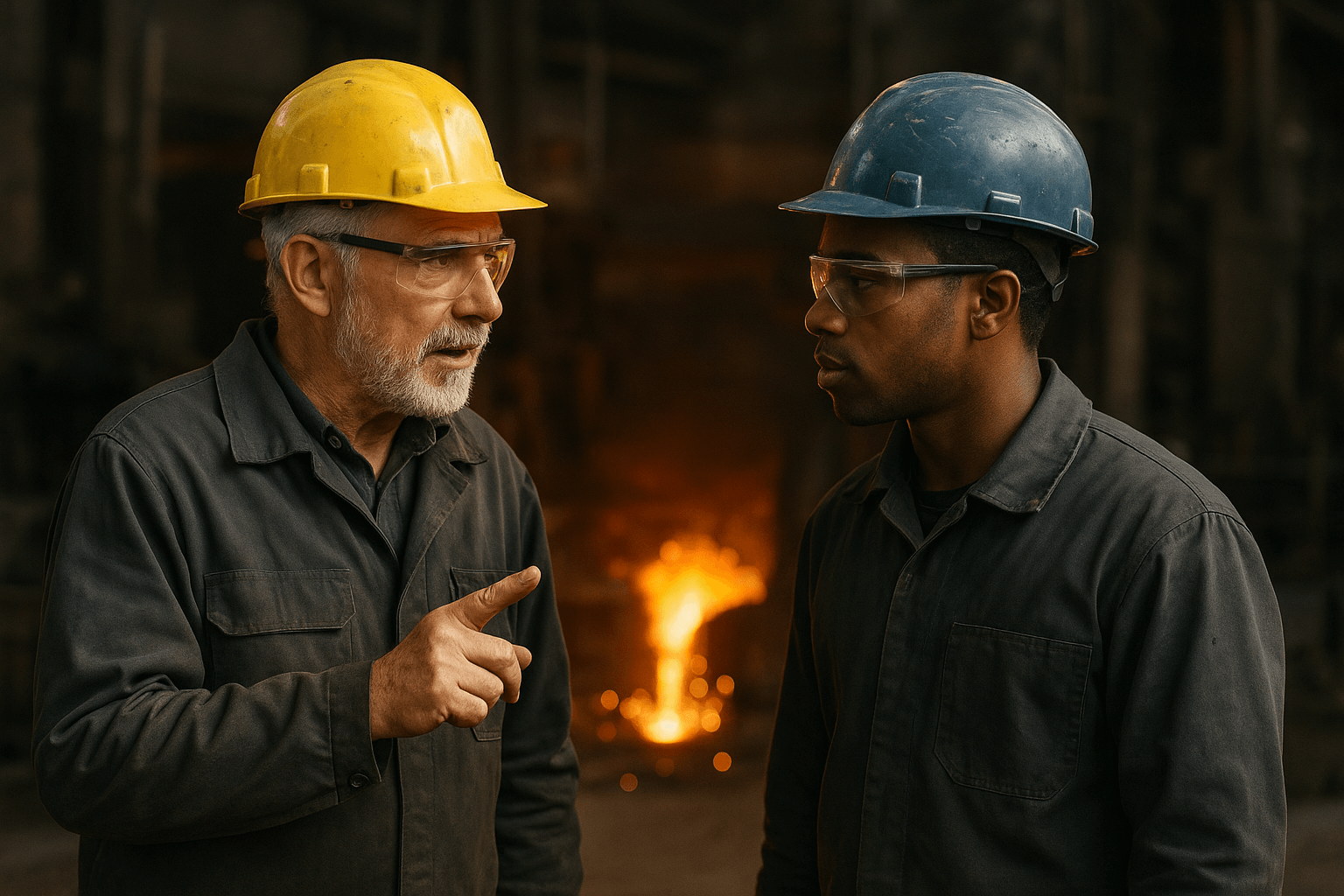 One of the biggest challenges foundries face is the loss of institutional knowledge when experienced employees retire or move on. King emphasized that the key to long-term sustainability is capturing and documenting tribal knowledge, the unwritten, experience-based know-how that drives performance, and turning it into living, adaptable standards that can evolve over time.
“You don’t want your greatest resource to be the person that leaves,” King said. “You want it to be your documented standards.”
By transforming this knowledge into Smart Training Standards, companies create a foundation that supports consistency, repeatability, and continuous improvement.
The Payoff: A Stronger, More Capable Workforce
Modernizing training through Smart Training Standards doesn’t just improve learning, it strengthens every part of the business. Foundries that embrace structured, data-informed training can expect to see:
- Shorter onboarding times and faster upskilling for new hires
- Fewer production errors and higher quality output
- Better retention rates, especially among younger workers seeking clear growth paths
- Stronger safety culture through consistent process execution
- Demonstrable competency that meets customer and regulatory expectations
As industries increasingly demand proof of workforce competency, the ability to demonstrate structured, measurable training processes will become a key differentiator for foundries seeking to attract new business and maintain compliance.
Looking Ahead
The session concluded with an engaging Q&A, where Bill Padnos asked about practical steps for implementing Smart Training Standards in their own operations. King encouraged foundries to start by evaluating their current training maturity level, mapping existing workflows, and documenting their most critical tasks. From there, companies can begin aligning those standards with performance data and continuous improvement initiatives.
By taking these steps, foundries can begin transforming informal learning into intentional, competency-based workforce development, ensuring their teams are equipped for the challenges of modern manufacturing.
Watch or Learn More
The recording of the webinar is available on the NFFS YouTube channel.
To learn more about Smart Training Standards and see how they can strengthen your workforce training programs, visit https://myststech.org/.