
Taking a Step Back to Move Forward
Summer used to mean slowing down. The season was marked by lazy afternoons drifting on an inner tube, rocking chairs on front porches, and long drives with no particular destination. Nat King Cole even captured it perfectly in Those Lazy-Hazy-Crazy Days of Summer, a song that instantly brings to mind beach towels, lemonade, and a slower pace of life.
 Of course, the foundry industry has never really worked that way.
Foundries don't take the summer off. Even when the thermometer pushes into triple digits, production continues. Schedules may shift to earlier hours to beat the heat, but the work doesn't stop. Castings continue to power America's manufacturing and defense supply chains, and customers still depend on deliveries being made. When you're focused on keeping production moving, slowing down can feel like the last thing you have time to do.
But every now and then, taking a pause isn't the opposite of progress—it's what makes progress possible.
Think about it this way: if you're driving across the country, stopping to look at a map doesn't delay the trip. It keeps you from heading in the wrong direction. The same is true for your talent processes. It's difficult to improve something when you're too busy moving through it to see how it actually works.
That's why one of the first exercises companies complete in the Talent Pipeline Program (TPP) is a Talent Acquisition and Retention Value Stream Map.
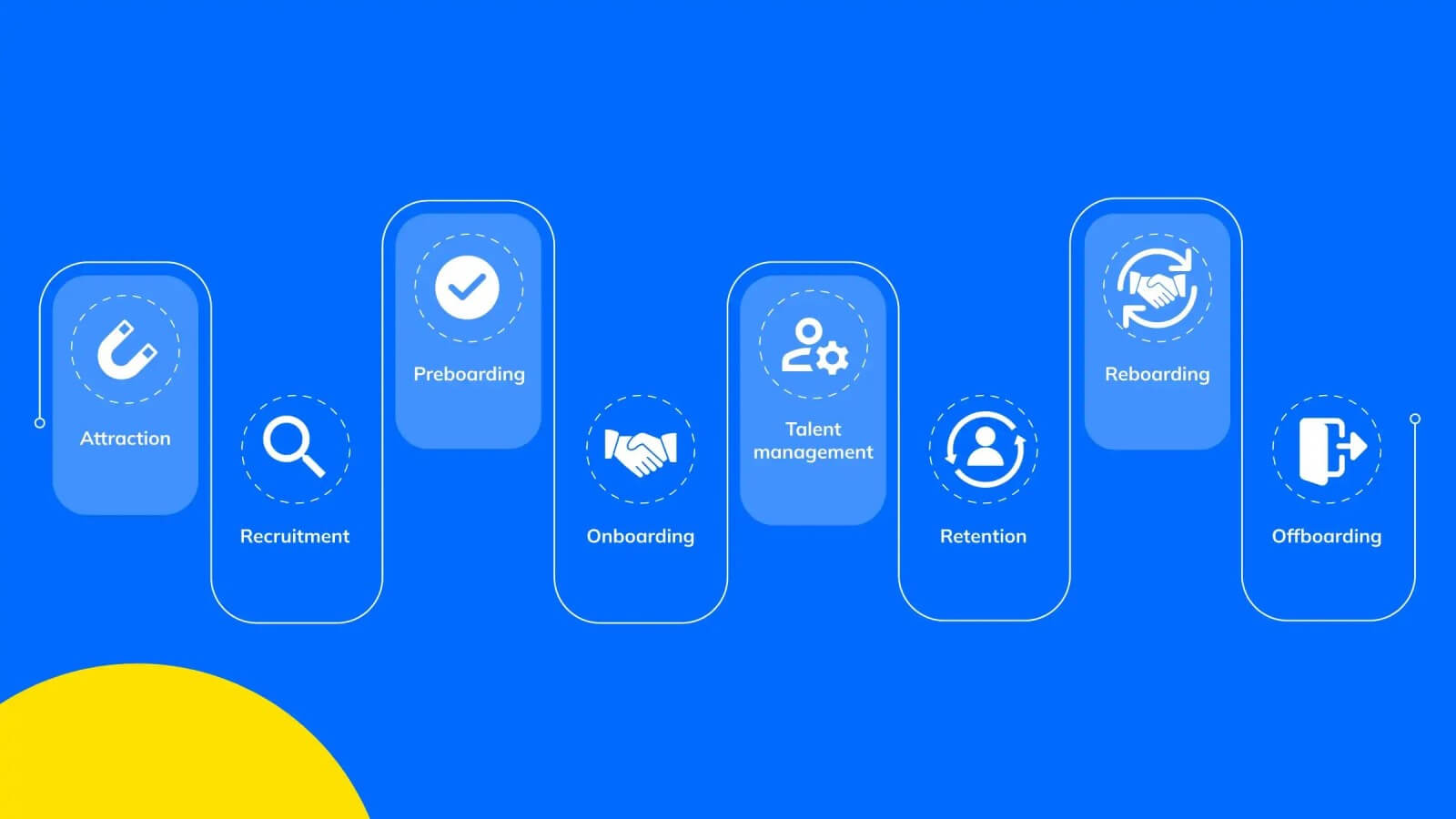 A Value Stream Map isn't just another meeting or another worksheet. It's an opportunity to step back and examine your entire talent process from beginning to end—from identifying a workforce need, to recruiting, hiring, on-boarding, and ultimately retaining employees. Instead of looking at each department individually, everyone involved comes together to see how the entire process flows and, more importantly, where it doesn't.
Those conversations are often eye-opening.
HR may assume supervisors are responsible for a task. Supervisors may think HR owns it. Everyone believes a welcome email is being sent or that someone is checking in with new hires before Day One—until the map reveals that no one actually is. Other times, teams discover unnecessary delays, duplicate work, bottlenecks, or approvals that have existed for years simply because "that's how we've always done it."
When the entire process is visible, the opportunities become visible too.
That's why Value Stream Mapping is more than documenting a process—it's uncovering opportunities. It helps companies identify quick wins, clarify ownership, remove unnecessary steps, and focus improvement efforts where they will have the greatest impact. Rather than guessing which TPP tool to implement first, the Value Stream Map helps reveal the areas that need attention most, allowing each company to build an improvement plan based on its own unique challenges instead of someone else's.
As we welcome the 2026-2028 TPP cohort, every participating company will begin with this exercise. There's a reason it's the first tool in the program. Before introducing new hiring strategies, on-boarding practices, retention initiatives, or leadership tools, you first need to understand your current state. The Value Stream Map establishes that baseline. It gives every stakeholder a shared understanding of where the organization is today, identifies the biggest opportunities for improvement, and creates a roadmap for the work that follows.
The rest of the TPP journey is about building a stronger talent system. The Value Stream Map is where that journey begins.
So, while summer may not offer many opportunities to slow down, this is one pause worth taking. Sometimes the fastest way to move forward is to step back, look at the whole picture, and make sure you're heading in the right direction.