
Running a foundry is hard. Doing it alone is even harder.
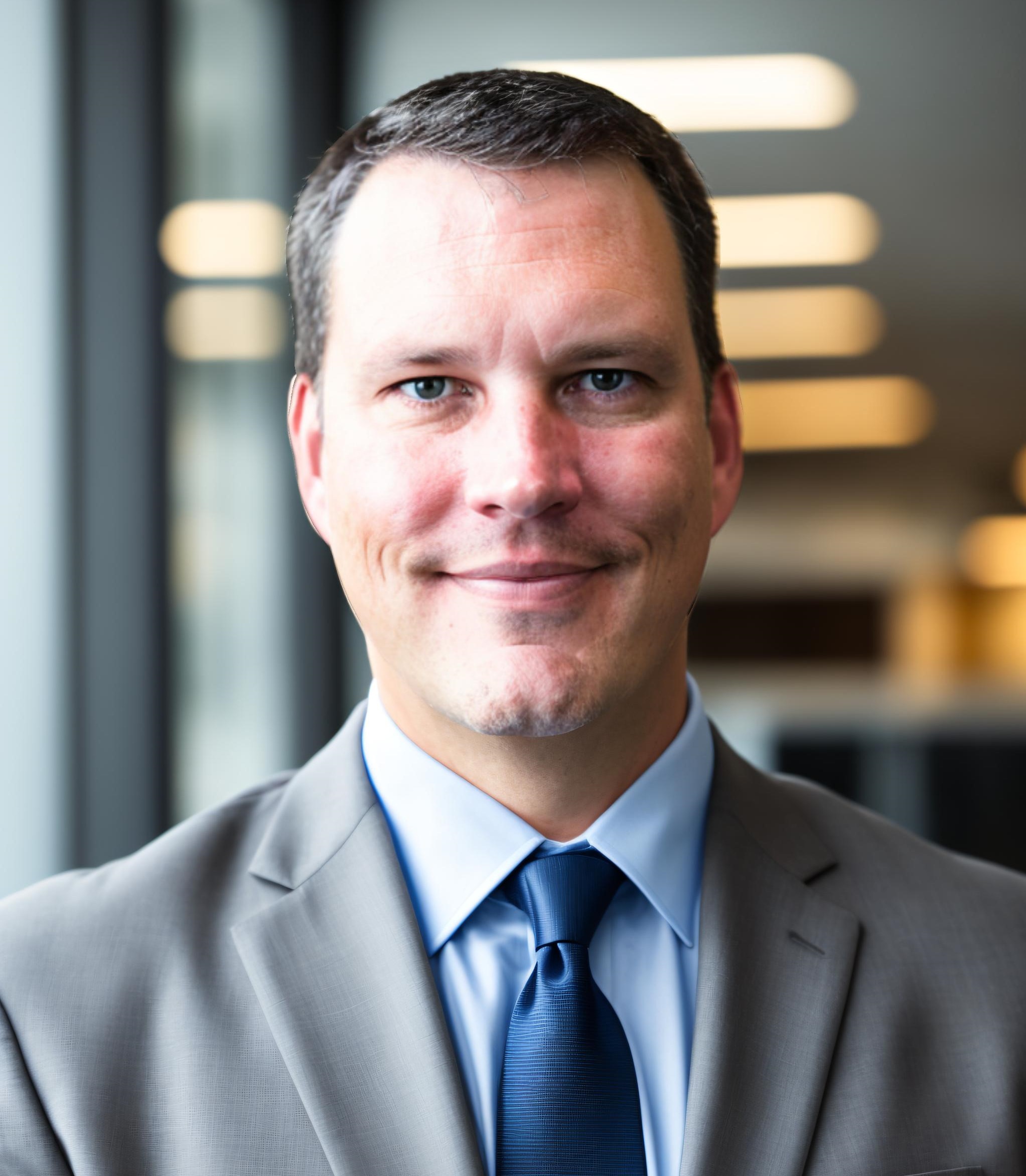 Editor's Note: The following article is based upon the comments of Executive Director Jerrod Weaver during the annual meeting of the Non-Ferrous Founders' Society on February 22, 2026.
Running a foundry is hard. Really hard.
It is capital intensive. Labor intensive. Energy dependent. Compliance heavy. Cyclical. Unforgiving. And the margins rarely reflect the effort required to do it well.
As I begin my 30th year with the Non-Ferrous Founders’ Society, I have had the privilege of walking through hundreds of nonferrous foundries. I have stood next to furnaces in July heat helping craft standard operating procedures. I have sat at conference tables when money was tight and customers were hard to find. I have listened to owners wrestle with environmental permits, OSHA inspections, workforce shortages, tariff volatility, and the inherent complexities of running a nonferrous foundry.
I understand what keeps you up at night — because for nearly three decades, you have trusted NFFS enough to tell us.
And here is what I know:
The foundries that struggle the most are not always the smallest, the least efficient, or the least capable.
They are usually the foundries that are the most isolated.
The foundries that struggle the most are usually the one that are the most isolated.
NFFS Is Not Just an Association — It Is a Strategy
It is time to think about NFFS differently. NFFS is not simply a trade association, it is a business strategy.
If all we did was host a conference and send a newsletter, we would be optional.
What we are building together is not optional. We are building infrastructure for our collective success.
When the Department of Defense could not find nonferrous metal castings to support the American warfighter, they came to NFFS.
When the Defense Logistics Agency asked for help expanding the capacity of the nation’s defense industrial base, we built ICON.
When employees became more difficult to recruit and retain, we responded with the Talent Pipeline Program.
When copper needed recognition as a critical mineral, we engaged directly with the Commerce Department and elected leaders to ensure it happened.
When regulatory pressure intensified, we responded with discipline, credibility, and specific, actionable strategies for our members.
That is not association activity, it is industrial strategy.
NFFS is not just a trade association — it is a business strategy.
We are reducing friction between your businesses and customer markets. We are expanding business volumes for our industry. We are defending and advocating where it matters and when it matters most.
We are creating tools that help you compete and thrive — not just survive.
From Discipline to Velocity
When I was called to serve as Executive Director in 2016, NFFS needed to change.
We needed stronger fiscal discipline and financial management. We needed better governance. We needed improved transparency. And most importantly, we needed to be more responsive when our members needed us most.
With the guidance of the NFFS Board of Directors and Executive Committee, we rebuilt the organization into a nimble and responsive Society.
Today, we are in a different phase.
Velocity.
We are hiring talent that did not exist in this Society ten years ago — or even five years ago. We are building solutions to problems that did not exist a few years ago. We are engaging in national policy discussions that we were not invited into a decade ago.
But speed without direction is chaos.
That is why our focus remains simple:
Everything we do must make it easier for our members to run a foundry and be successful.
If an initiative does not reduce risk, increase opportunity, or enhance profitability — it does not belong in our strategic plan.
Because you do not pay membership dues for symbolism.
You pay for leverage.
Leverage in Washington.
Leverage in supply chains.
Leverage in workforce partnerships.
Leverage in regulatory clarity.
Leverage in information and relationships.
You may compete with one another for customers and opportunities. But through NFFS, we have always rallied to respond to shared challenges together.
Energy policy.
Environmental compliance.
Global trade volatility.
National security supply chain demands.
An aging workforce.
No single foundry can solve those alone.
But together — organized, disciplined, strategic — we can. And we do.
You do not pay dues for symbolism. You pay for leverage.
Prepared for What Comes Next
As I begin my 30th year with this Society, I feel something I have not always felt: confidence.
Not because this industry is easy, but because this organization is prepared.
Prepared financially.
Prepared strategically.
Prepared with leadership — past, present, and future.
What we are really building is alignment — alignment around a belief:
That this industry matters. That foundries deserve representation that delivers results. And that no foundry should ever feel like they are alone.
Running a foundry is hard. Doing it alone is even harder. And that is why NFFS exists.