
Workforce Development Lessons from Pittsburgh's Rivers of Steel and Patterns of Meaning
Discovering Workforce Development in Your Own Backyard: Lessons from Pittsburgh's Rivers of Steel and Patterns of Meaning
One of the most important lessons from workforce development is that you don't always have to create something new. Often, the best partners are already in your community, waiting to help tell the story of manufacturing.
During the NFFS staff retreat in Pittsburgh, we had the opportunity to experience two organizations that are doing exactly that: Rivers of Steel and Patterns of Meaning. While each approaches manufacturing from a different perspective, both are helping people connect with the history, artistry, and opportunities found in metalworking.
More importantly, they serve as examples of organizations that may already exist in your own community.
Rivers of Steel: Experiencing Metal Casting Firsthand
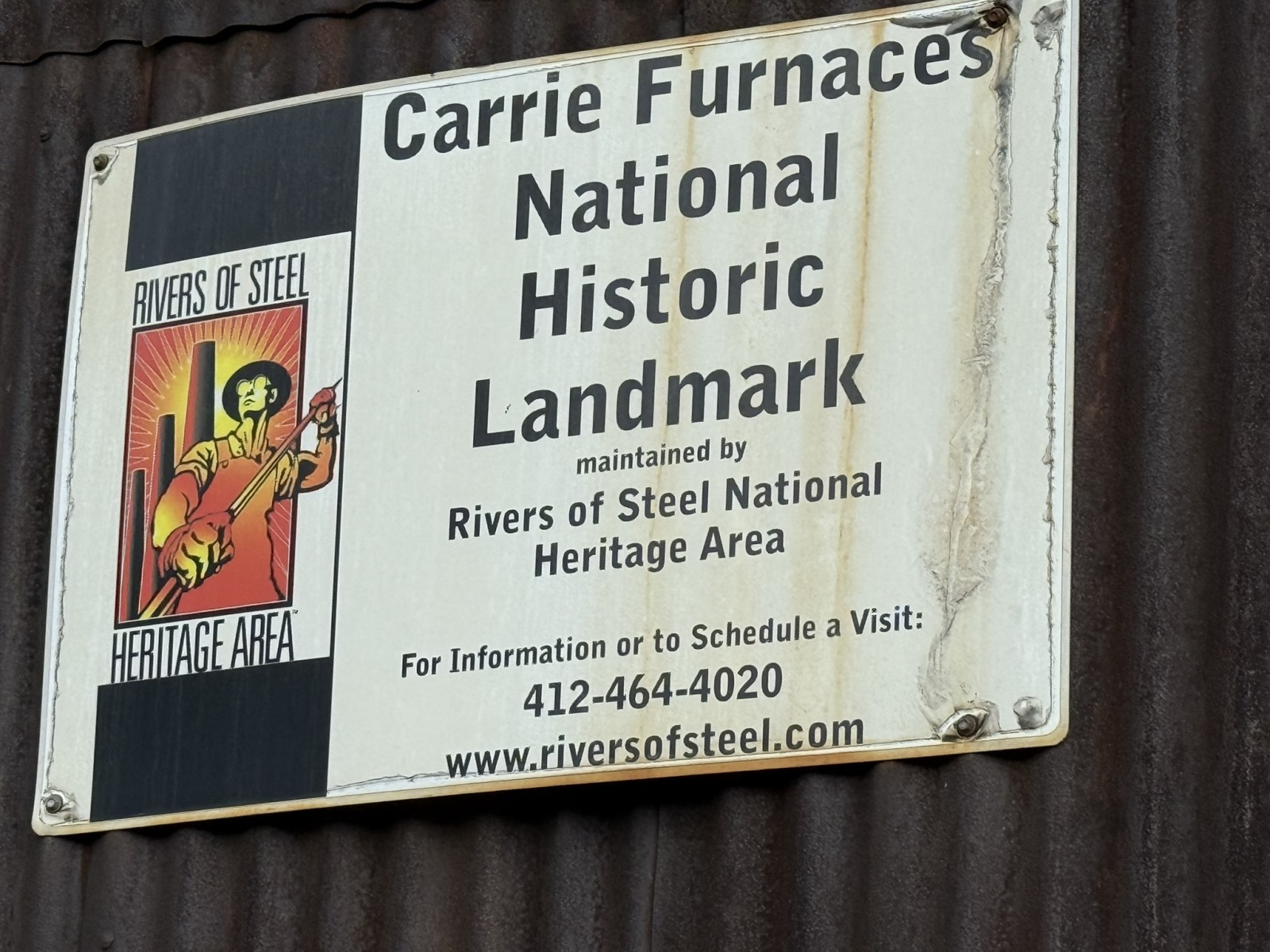
As part of our retreat, the NFFS staff visited Rivers of Steel to learn about its educational programming and participate in one of its hands-on foundry workshops.
Rather than simply watching a demonstration, we became participants.
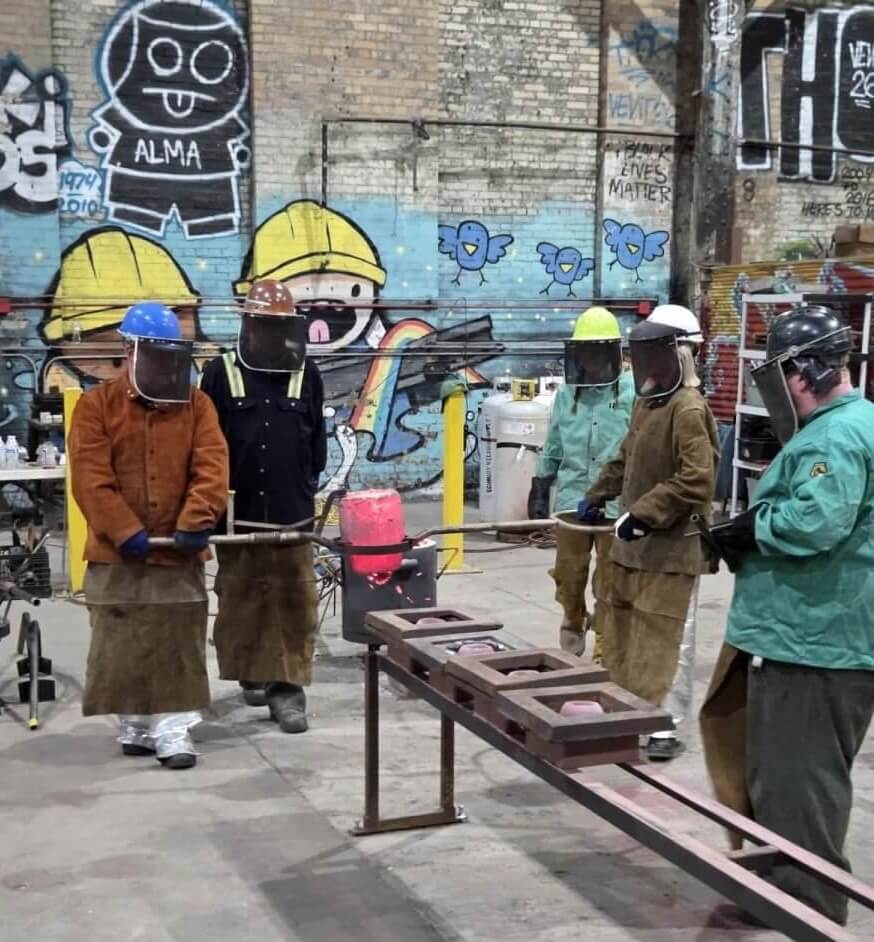
Each of us created our own scratch pattern before preparing it for casting. Once we finished the molds, we suited up in full personal protective equipment. We were not going to watch the staff pour the molten metal into the molds to transform our designs into finished castings; we lifted the crucible to make the pours.
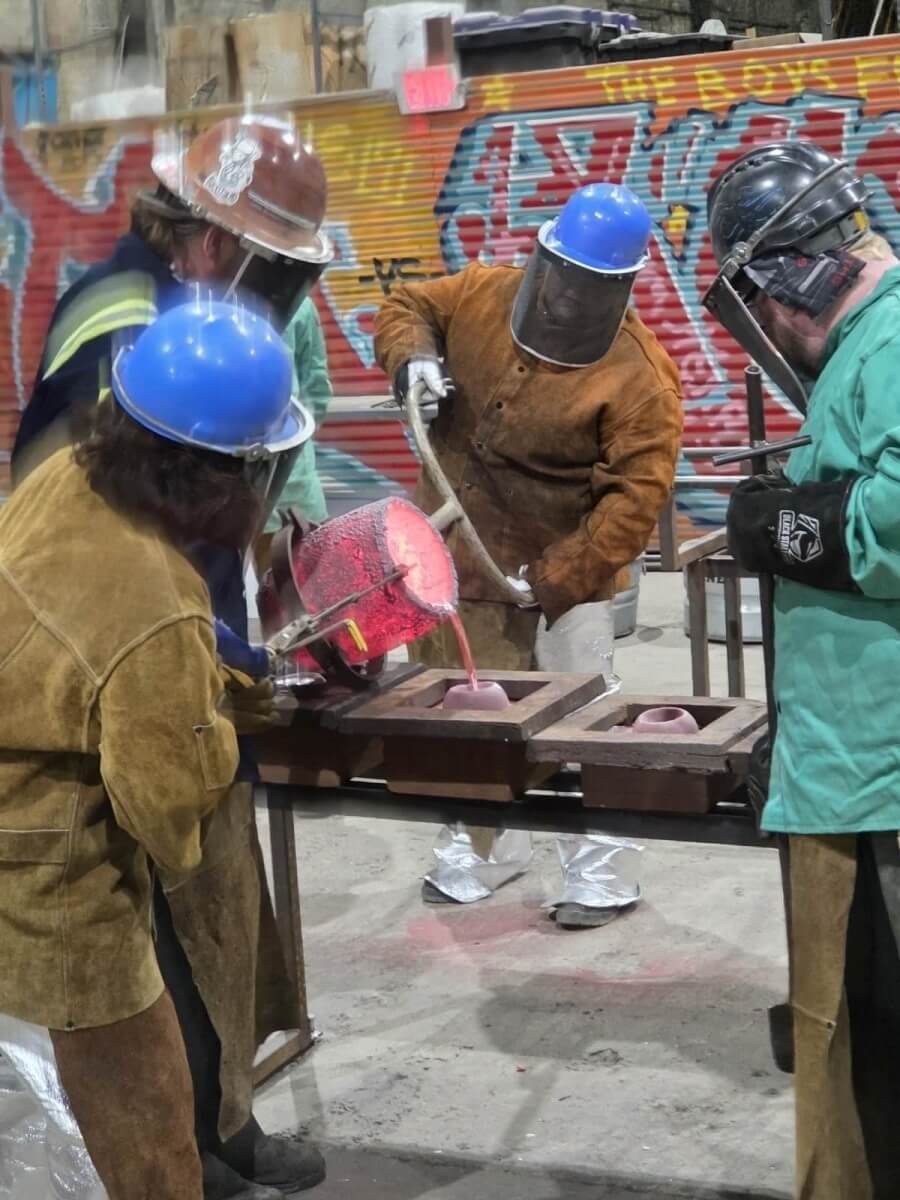
Fortunately, Pittsburgh cooperated with unusually comfortable weather in the 70s. Even under those pleasant conditions, the experience reinforced just how demanding foundry work can be. Wearing the required PPE while working around molten metal gave us an even greater appreciation for the professionalism, endurance, and commitment of the production employees who perform this work every day.
The experience was both educational and memorable. It demonstrated that metal casting isn't something people simply read about. When someone has the opportunity to make a casting with their own hands, they gain a much deeper appreciation for the skill, precision, and craftsmanship involved.
It also gave us a new perspective on the daily work performed by foundry employees. That kind of firsthand experience is difficult to replicate in a classroom, but it is exactly what helps change perceptions about modern manufacturing.
Patterns of Meaning: Preserving the Art Behind the Industry
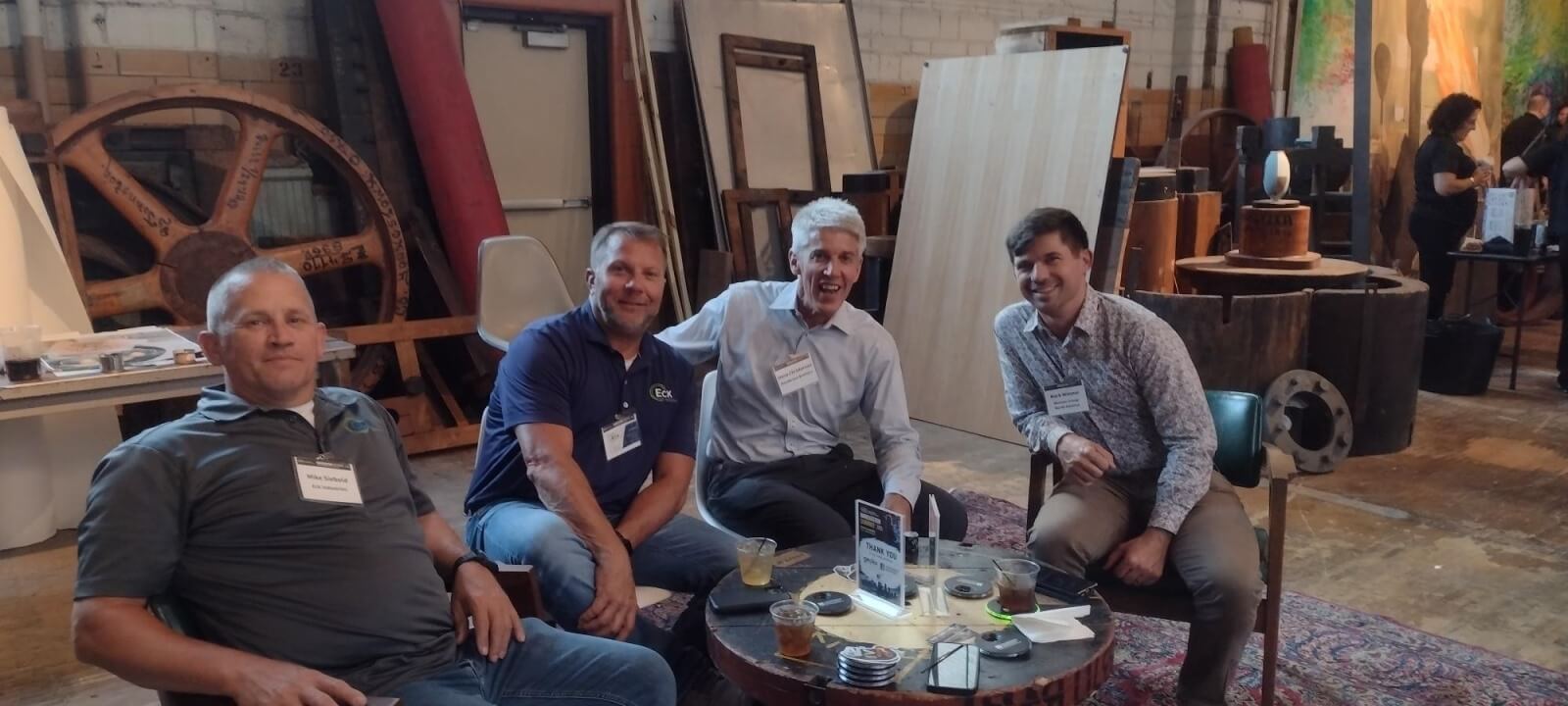
The evening before the NFFS Innovation Summit, attendees gathered at Patterns of Meaning for the conference welcome reception.
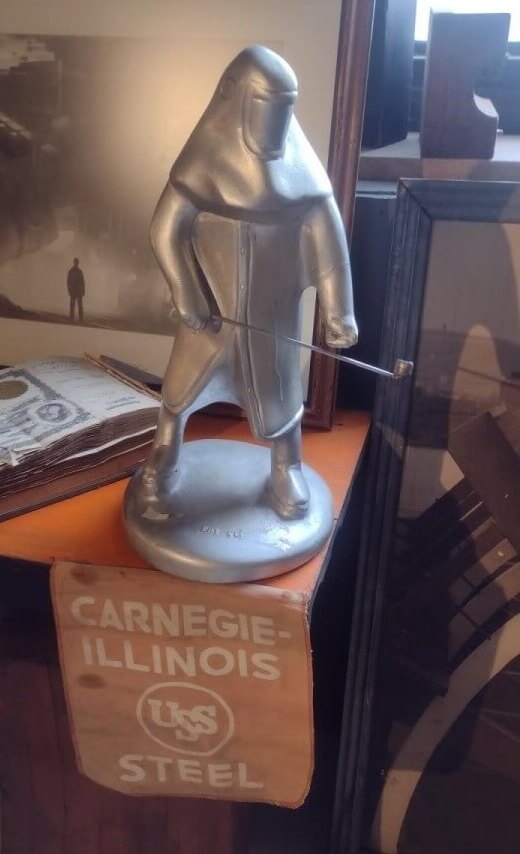
Located within Pittsburgh's Energy Innovation Center, Patterns of Meaning transforms retired foundry patterns into works of art while preserving the stories of the people and industries that created them.
Guests explored exhibits showcasing how historic wooden patterns, once used to manufacture industrial components, have been repurposed into artistic creations. The program demonstrates that foundry patterns represent far more than production tools. They are pieces of industrial history that tell the story of innovation, craftsmanship, and the communities built around manufacturing.
For many attendees, it was a reminder that every casting begins with creativity. Before molten metal is poured, someone must first imagine, design, and build the pattern that makes production possible.
By blending art, history, and manufacturing, Patterns of Meaning reaches audiences that traditional workforce initiatives often miss and helps people see manufacturing in an entirely different light.
Workforce Development Looks Different Everywhere
Not every community has a Rivers of Steel or a Patterns of Meaning.
But many communities have museums, historical societies, makerspaces, arts organizations, technical schools, STEM centers, children's museums, workforce boards, libraries, or nonprofits looking for ways to engage young people and tell local stories.
These organizations may already have facilities, volunteers, educational programming, and community connections that foundries can leverage rather than build from scratch.
The key is simply reaching out.
Instead of asking, “How do we solve the workforce shortage?” a better question may be, “Who in our community is already helping people discover manufacturing?”
The answers may surprise you.
Local Partnerships Create Local Talent Pipelines
The manufacturing workforce shortage is a national challenge, but every hiring decision happens locally.
Programs like Rivers of Steel and Patterns of Meaning remind us that workforce development is about much more than recruiting employees. It is about helping people understand the value of manufacturing, preserving the industry's stories, creating memorable experiences, and building community pride.
When manufacturers partner with organizations that already excel at education, history, art, and community engagement, everyone benefits.
- Students discover careers they never knew existed.
- Parents gain a better understanding of modern manufacturing.
- Communities reconnect with their industrial heritage.
- Foundries build stronger relationships that ultimately strengthen their local talent pipelines.
The next time you're thinking about workforce development, take a look around your own community. You may discover that your next workforce partner has been there all along.