
SCOTUS Ruling Spurs New 10% Global Tariff as Administration Weighs Next Trade Steps
 By Omar S. Nashashibi, Founder, Inside the Beltway Solutions — Government Affairs Advisor to NFFS
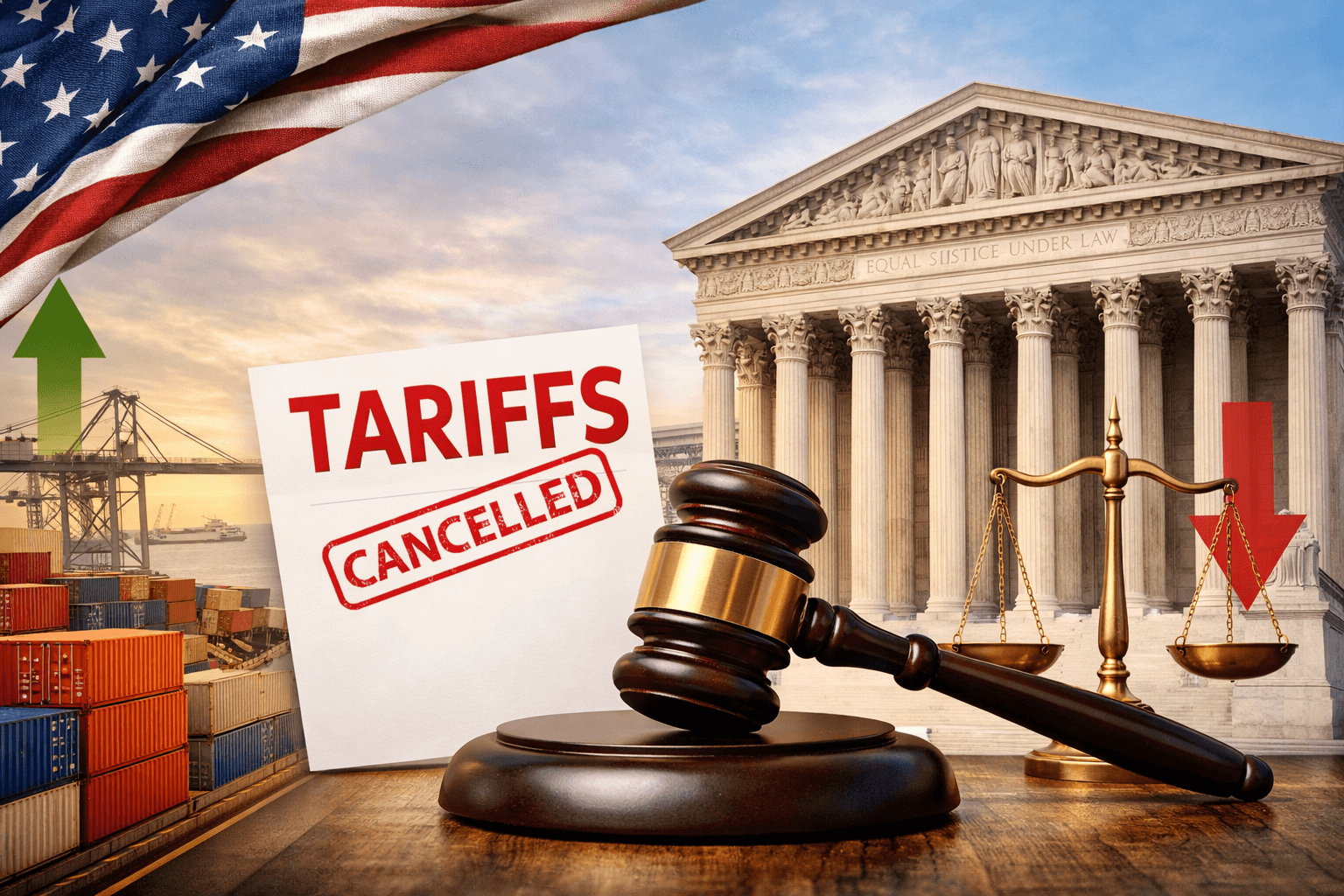
The Supreme Court’s February 20 decision striking down country-specific tariffs imposed under the International Emergency Economic Powers Act (IEEPA) is accelerating a shift in U.S. trade policy toward alternative statutory authorities. In a 6-3 ruling, the Court held that IEEPA does not authorize tariff action, reinforcing Congress’ primary role over duties while leaving existing Section 232 and Section 301 measures intact. The decision also left unresolved whether importers are entitled to refunds of previously collected duties, setting up additional litigation in the Court of International Trade as stakeholders seek clarity on repayment obligations and the administration’s refund policy.
In response, the administration formally invoked Section 122 of the Trade Act of 1974 to impose a temporary 10 percent ad valorem import duty for up to 150 days, effective February 24. According to a White House fact sheet, the tariff applies broadly but excludes certain goods — including USMCA-compliant products, pharmaceuticals, select transportation and aerospace items, and imports already covered by Section 232 actions — and is intended to address “fundamental international payment problems” tied to the U.S. balance-of-payments deficit.
President Trump has separately indicated — through posts on Truth Social — that the global tariff could rise to 15 percent, the statutory ceiling under Section 122. However, as of now, no official proclamation or formal policy document has been released implementing a higher rate, and the only finalized measure remains the 10 percent tariff announced in the February 20 fact sheet. Public reporting indicates the proposed 15 percent level followed the Supreme Court ruling, but it has not yet been reflected in official administration materials or implementing guidance.
At the same time, the administration is signaling a broader pivot toward traditional trade enforcement tools. Officials have indicated plans to expand and accelerate Section 301 investigations across a wide range of countries, suggesting that future tariff actions may rely more heavily on established trade statutes rather than emergency authorities.