
Important! Multiple Regulatory Filings Due March 1!
NFFS is reminding its membership that several key federal regulatory filings are due March 1 and that these reports may require preparation ahead of the submission deadline. Below is a concise overview of the requirements and obligations for the biennial hazardous waste report, OSHA injury/illness data submission, and chemical inventory (Tier II) reporting.
Biennial Hazardous Waste Report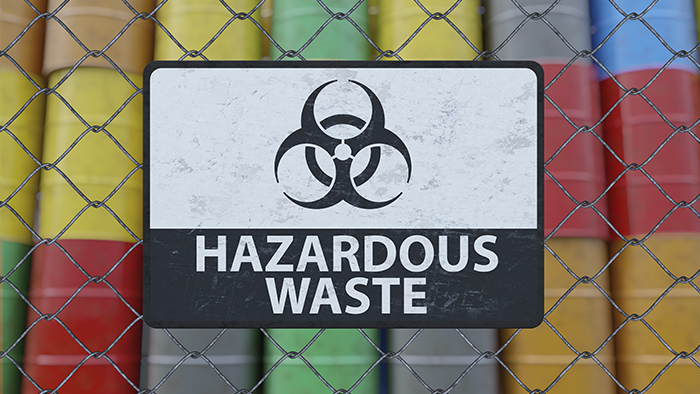 Under the Resource Conservation and Recovery Act (RCRA), Large Quantity Generators (LQGs) of hazardous waste must prepare and submit the Biennial Hazardous Waste Report (EPA Form 8700-13A/B) by March 1 of every even-numbered year. The report covers activities during the previous calendar year and includes information such as quantities and types of hazardous waste generated and disposition details. Small quantity generators (SQGs) and very small quantity generators (VSQGs) may not be subject to this federal reporting but should check state-specific requirements. State agencies may also require additional forms or processes for submission. LEARN MORE
OSHA 300, 300A, 301 Electronic Submission
Employers in designated high-hazard industries (including foundries) must maintain OSHA injury and illness records and, in many cases, electronically submit them to OSHA’s Injury Tracking Application (ITA). The key requirements are: • OSHA Form 300A (Summary of Work-Related Injuries and Illnesses) must be electronically submitted by employers with 20 or more employees by March 2.
• Employers with more than 100 employees must also electronically submit information from OSHA Form 300 (Log) and OSHA Form 301 (Incident Report).
• All employers with more than 10 employees must post the OSHA 300A summary in the workplace from February 1 through April 30.
Records must be maintained at the worksite for at least five years. Remember not to include employee names, Social Security numbers, or other personally identifying information in electronic submissions. LEARN MORE
EPA Tier II Reports  Under the Emergency Planning and Community Right-to-Know Act (EPCRA), facilities that store hazardous chemicals above reporting thresholds must submit annual hazardous chemical inventory reports, commonly referred to as a Tier II report, by March 1. These reports provide state and local emergency response officials and local fire departments with chemical inventory information, including types and quantities of hazardous chemicals present at any time during the previous calendar year. Thresholds triggering Tier II reporting generally include hazardous chemicals at 10,000 pounds or more and extremely hazardous substances (EHS) at 500 pounds or the applicable threshold planning quantity (TPQ), whichever is lower. Each facility must determine its state’s specific reporting process and submit the appropriate Tier II forms to the State Emergency Response Commission (SERC), Local Emergency Planning Committee (LEPC), and the local fire department. LEARN MORE
Final Notes
• Deadlines for all three programs are firm. Planning ahead and gathering necessary information early will help avoid last-minute compliance issues.
• State and local variations (especially for Tier II reporting and hazardous waste reporting) may require additional steps beyond federal requirements.
For detailed guidance and links to forms and instructions, refer to the compliance resources on the NFFS website using the links above or contact NFFS for additional support.