
Erie Bronze Hosts METAL Bootcamp
METAL Bootcamp Participants Visit Erie Foundries
to Experience Casting Firsthand
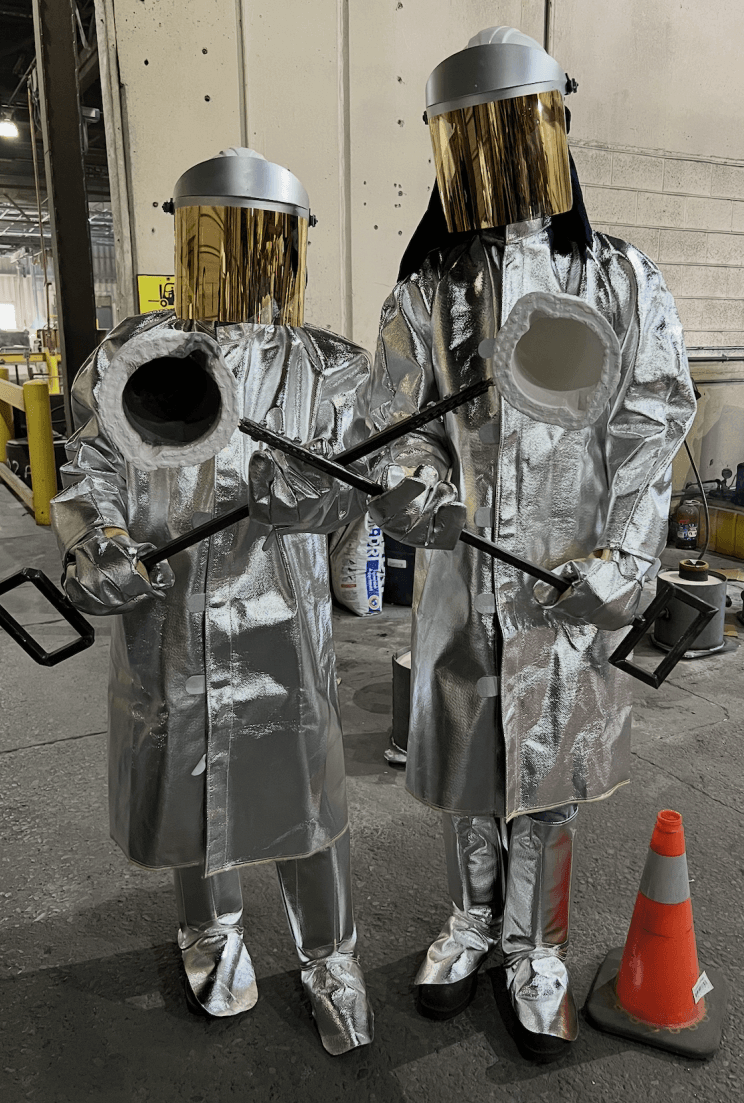 Participants in the Metallurgical Engineering Trades Apprenticeships & Learning (METAL) program recently had the opportunity to see modern metal casting operations up close during a visit to Erie, Pennsylvania. The March 9-11 METAL bootcamp brought together factory owners, entrepreneurs, manufacturing advocates, defense, and newcomers to the field for a week of hands-on exposure to the metals industry.
Programs like METAL, led by IACMI – The Composites Institute®, with funding from the Department of War’s IBAS Program, are reigniting workforce development in metalcasting and forging industries. Through hands-on K-12 workshops, metallurgical bootcamps and apprenticeships, METAL sparks student curiosity, illuminates pathways to manufacturing careers and strengthens the industry’s talent pipeline.
As part of the program, the group toured Erie Bronze & Aluminum and Keystone Foundry, two long-standing manufacturers that continue to play an important role in the U.S. metal casting ecosystem.
During the days spent at Penn State Behrend, participants observed casting processes, met experienced metalworkers, and learned about the skills required to succeed in the industry.
Inside Keystone Foundry
One highlight of the week was the visit to Keystone Foundry, a company that has been in continuous operation since 1887 and remains one of Erie’s longest-running industrial businesses.
During the tour, participants observed bronze casting operations and learned about the workflow involved in producing metal components. Overhead cranes moved buckets of molten metal across the foundry floor as workers carefully guided pours into prepared molds. Foundry employees also demonstrated finishing processes and discussed the experience required to safely operate in high-temperature environments.
Operations Manager Adam Scheloske welcomed the group and emphasized the broader importance of the industry.
“The national security of our country is at stake here,” Scheloske said during the safety briefing. “I’m glad that our government recognizes it and is investing in this industry because it’s critical to our survival as a nation.”
Participants also had the opportunity to try small casting pours themselves, giving them a better understanding of the coordination and precision required in foundry work.
Erie Bronze & Aluminum
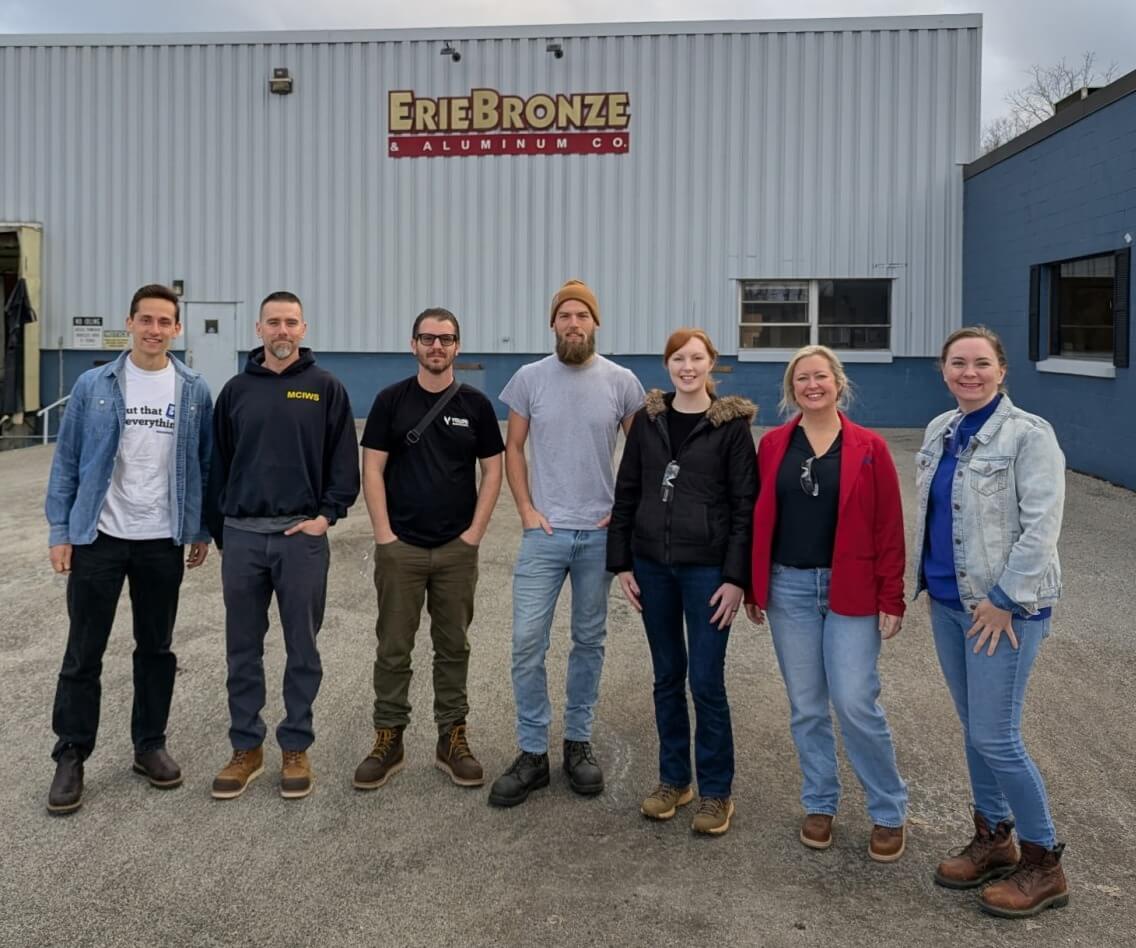 The group also visited Erie Bronze & Aluminum, where participants learned about the company’s role in producing aluminum castings used across a variety of industrial applications.
During the tour, company representatives explained the different stages of aluminum casting, including mold preparation, metal pouring, and finishing processes. Participants were able to observe how molten aluminum is handled and poured, and how cast parts move through subsequent machining and finishing steps.
Discussions with company staff highlighted both the technical skill required in casting operations and the workforce challenges facing the industry. Like many manufacturers across the country, foundries are working to recruit and train the next generation of skilled workers as experienced employees retire.
Addressing the Workforce Gap
Programs like METAL are designed to help address that challenge by introducing more people to careers in metal manufacturing.
According to industry estimates, nearly a quarter of the U.S. manufacturing workforce is over the age of 55, and retirements are accelerating. As experienced workers leave the industry, much of their institutional knowledge leaves with them. The METAL bootcamp provides participants with direct exposure to manufacturing environments and connects them with industry leaders who can help guide them into training programs and career opportunities.
By visiting active facilities like Keystone Foundry and Erie Bronze & Aluminum, participants were able to see firsthand how casting operations function and why these capabilities remain vital to the U.S. manufacturing base.
For many attendees, the experience reinforced the importance of maintaining strong domestic metal production capacity, and ensuring that a new generation of skilled workers is prepared to carry these trades forward.