
$900 Billion NDAA Provides Significant Opportunities for Foundries
NDAA
What Congress’s $900 Billion Defense Budget Means for U.S. Metal Manufacturers
Congress has authorized nearly $900 billion in defense spending through the FY2026 National Defense Authorization Act (NDAA), marking one of the most consequential investments in U.S. military capability in decades. While much of the attention focuses on ships, aircraft, and advanced weapons systems, a significant share of this funding flows directly through the domestic metals manufacturing supply chain, creating long-term opportunity for casting, forging, and machine shops.
For metal manufacturers, this legislation is not abstract policy. It is statutory authority that emphasizes production continuity, domestic sourcing, and industrial base resilience, turning defense spending into a multi-year business opportunity rather than a series of short-term contracts.
Casting: Stability for Heavy, High-Spec Components
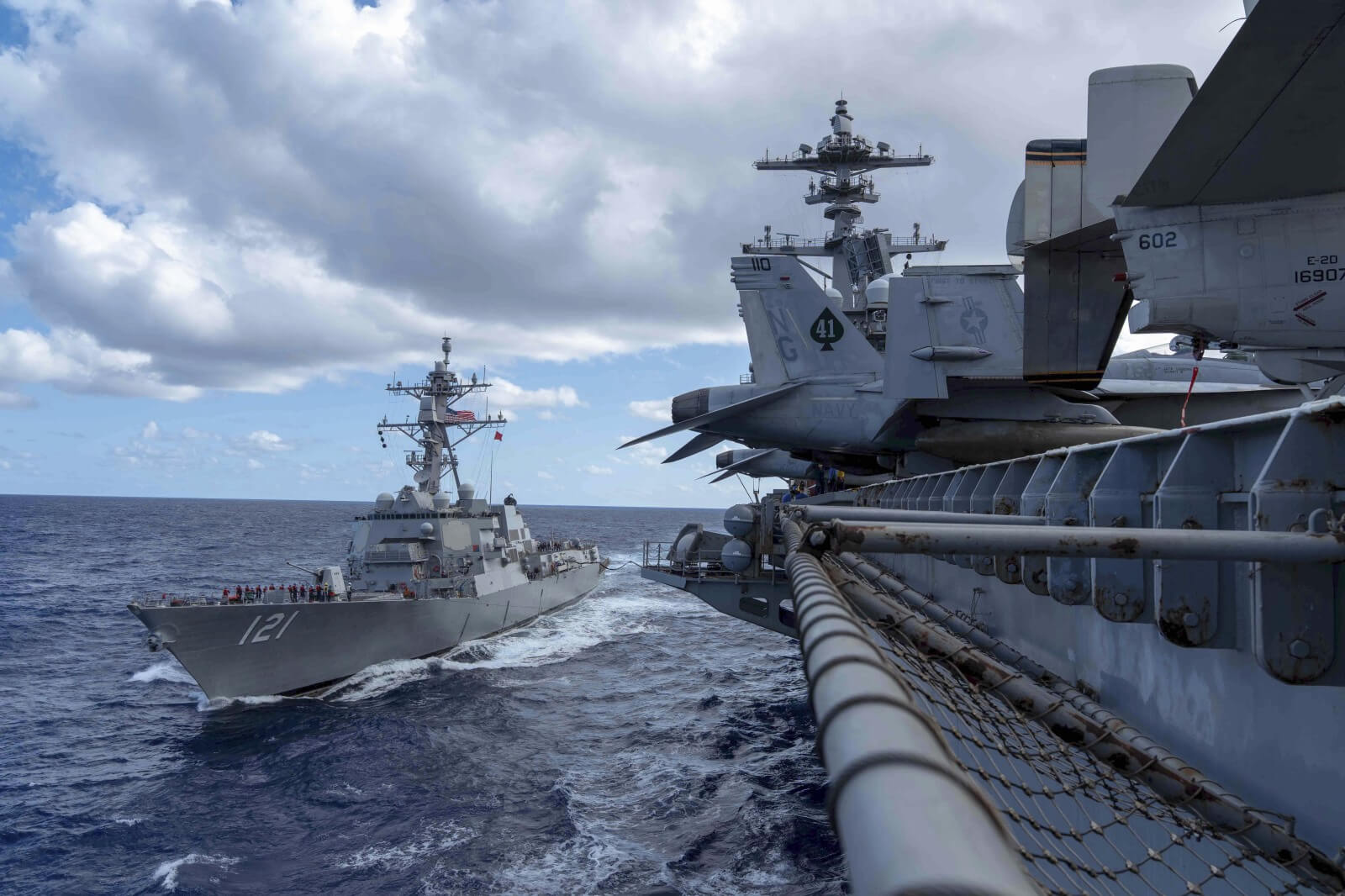
The NDAA explicitly identifies castings and forgings as priority components, particularly for continuous submarine production. Advance procurement authority allows the Navy to purchase critical cast components ahead of final platform authorization, smoothing production schedules and reducing disruptive gaps. For foundries producing defense-qualified castings such as hull structures, pressure components, valve bodies, and replacement parts, this translates into longer production runs, steadier demand, and fewer boom-and-bust cycles.
 Equally important, supply chain security provisions favor U.S.-based casting capacity, reinforcing domestic sourcing and reducing reliance on foreign suppliers. For shops willing to invest in labor, materials, and capital equipment, the NDAA provides the planning certainty needed to do so with confidence.
Forging: Predictable Volume and Strategic Importance
Forging is treated as a strategic capability under the FY2026 NDAA. Multi-year procurement authorities for submarines, ships, aircraft, and landing vessels create repeat demand rather than one-off orders. The legislation also emphasizes secondary source qualification, opening doors for additional forge shops to enter or expand within defense programs.
Work spans submarine structural forgings, aircraft landing gear, propulsion systems, and ground vehicle components. These are programs measured in decades, not budget cycles. For qualified forgers, the result is volume stability and long-term relevance across the defense industrial base.
Machine Shops: Sustainment Drives Growth
For machine shops, the most durable opportunity lies in sustainment, repair, and modernization. The NDAA expands funding and visibility for spares, depot work, and readiness across Navy and Air Force platforms. Much of this demand centers on machining cast and forged components, producing low-volume but high-complexity parts with tight tolerances and rapid turnaround requirements.
Digital engineering and advanced manufacturing initiatives further favor shops with automation, inspection, and traceability capabilities. Rather than relying on headline new builds, machine shops benefit from a long tail of recurring work tied to keeping existing platforms operational.
Where ICON Fits Into the NDAA
The FY2026 NDAA makes clear that Congress wants qualified U.S. manufacturers to be easier to find, easier to engage, and better aligned with long-term defense programs. That is exactly where ICON comes in.
ICON translates the NDAA’s policy intent into execution by connecting defense buyers with verified domestic casting, forging, and machining capabilities. By hosting the nation’s largest database of foundry and forging tooling, ICON helps reduce redundant tooling costs, shorten lead times, and support production continuity across multi-year programs.
ICON also turns government procurement data into market intelligence, allowing manufacturers to see what the military is buying, in what volumes, and by material and process. Even companies that have never bid on a defense contract can use this visibility to anticipate demand and align capacity with programs funded under the NDAA.
As defense spending increases, ICON helps ensure that work reaches capable domestic manufacturers, not just the largest primes or most experienced contractors. In doing so, ICON directly supports the NDAA’s goals of production stability, domestic sourcing, and a resilient industrial base.
Experience ICON at iconportal.com
Read the entire text of the NDAA, click here.